Off the Map: Egypt’s Most Overlooked Travel Destinations
adventure travel archaeology cultural tourism deserts eco tourism egypt Egyptian destinations Exploration hidden gems islands Nature Red Sea Tourism travel Travel Guide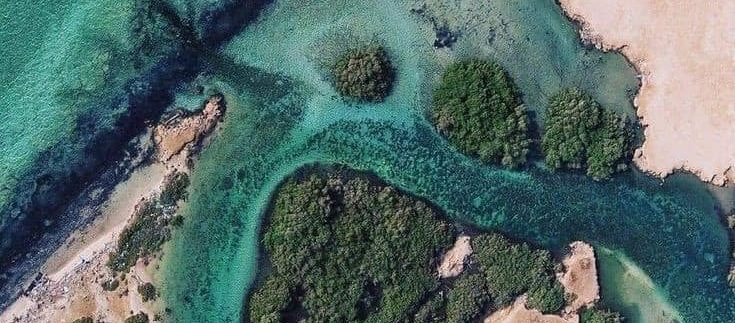
Sarah Francis
Image via website
Egypt is often associated with iconic landmarks such as the Pyramids of Giza and Luxor, and the beaches of Sharm El-Sheikh. Yet beyond these well-known destinations lies another side of the country filled with hidden valleys, isolated islands, ancient caves, and untouched natural reserves. These lesser-known places reveal Egypt’s environmental and historical diversity, offering experiences far removed from crowded tourist routes.
Gebel Kamil
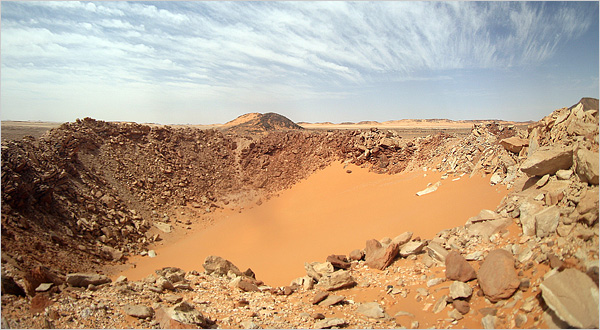
Image via website
Located deep in Egypt’s Western Desert near the border with Sudan, Gebel Kamil is one of the country’s most unusual geological sites. The area is known for the remains of a meteorite impact crater that scientists believe formed thousands of years ago. The landscape is dramatic, with dark, volcanic-like rocks scattered across golden desert sands, creating a scene that feels almost surreal. Because of its remote location, visiting Gebel Kamil is usually part of an adventurous desert expedition rather than a typical tourist trip.
Abu Minqar Island
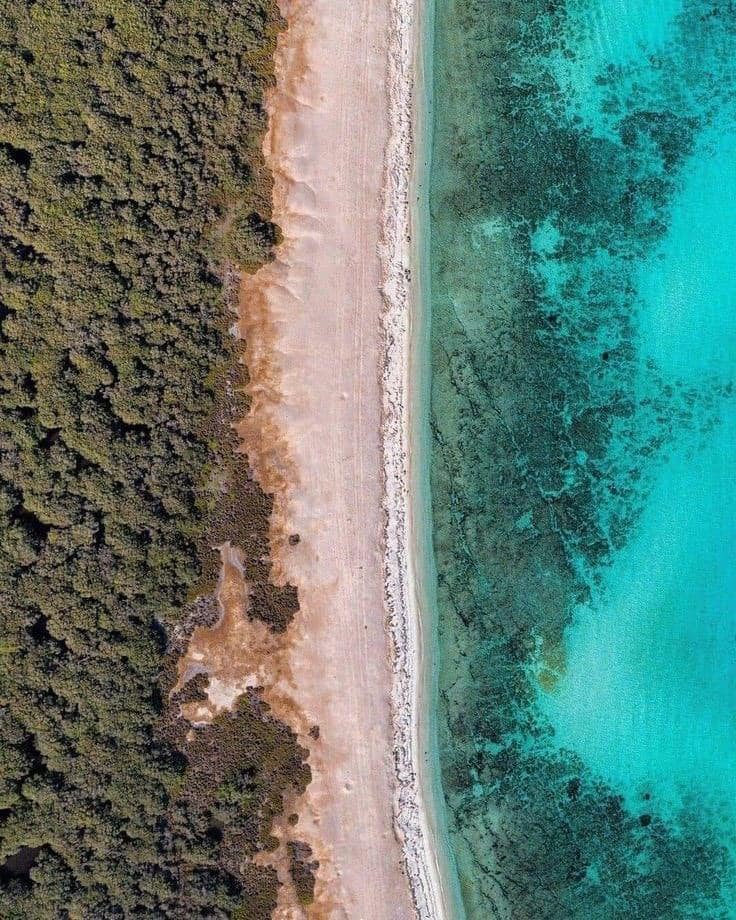
Image via website
Abu Minqar Island, located near Hurghada in the Red Sea, is a hidden natural spot surrounded by crystal-clear turquoise waters and coral reefs. The island is known for its mangrove ecosystems, which play an important role in supporting marine biodiversity. Unlike Egypt’s more crowded beach destinations, Abu Minqar remains relatively untouched, making it ideal for snorkelling, birdwatching, and quiet escapes into nature. The contrast between white sand and vivid blue-green water gives it a rare, tropical feel.
Rocky Island
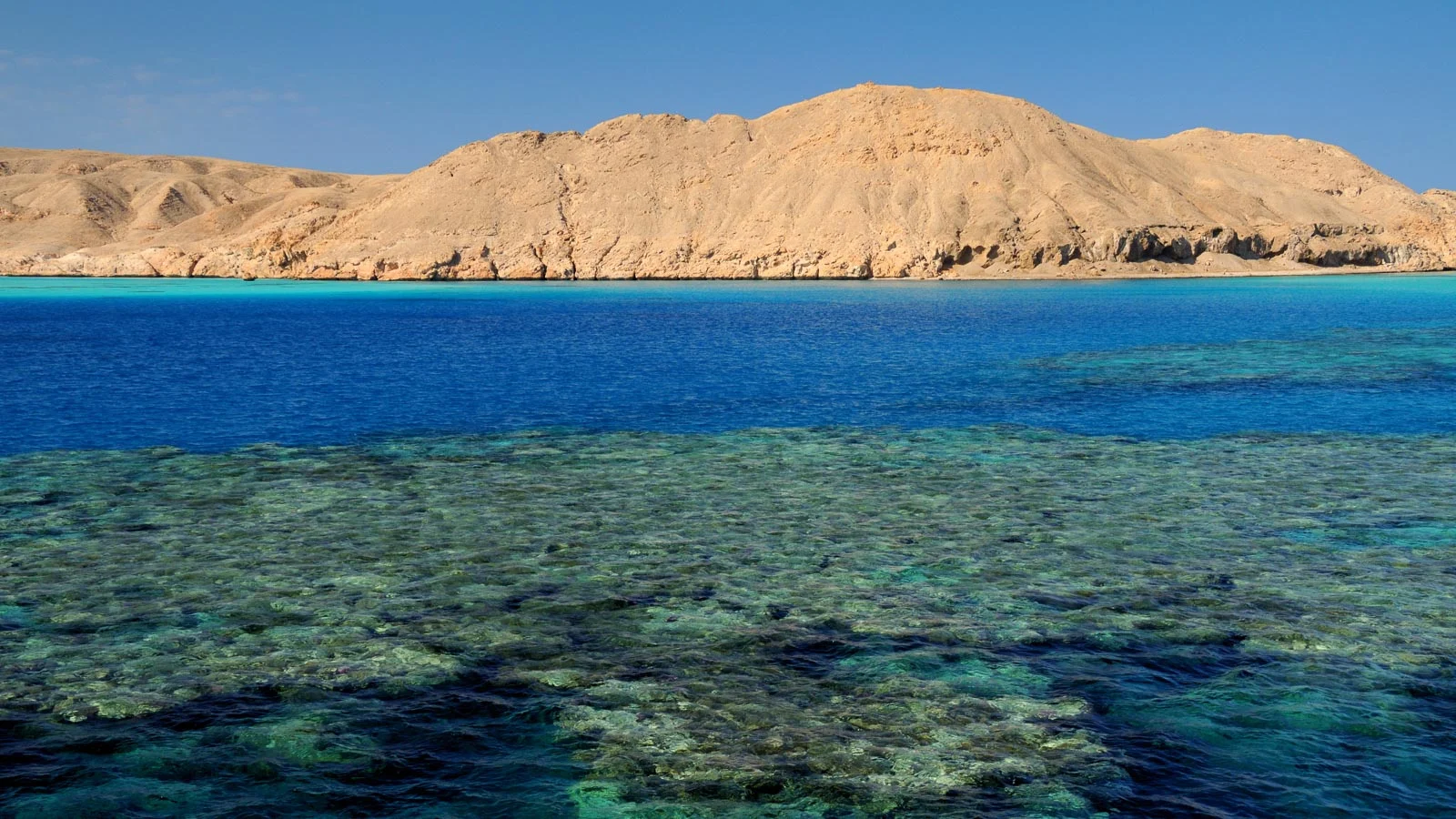
Image via website
Rocky Island is considered one of the Red Sea’s most impressive diving destinations, yet many people are unfamiliar with it. Situated near the southern Red Sea, the island is known for its rich marine life, coral walls, and large schools of fish. Divers often describe its underwater ecosystem as one of the most vibrant in the region. Above the surface, it also serves as a habitat for seabirds, creating a quiet and isolated environment far from urban life.
Marsa Gawasis
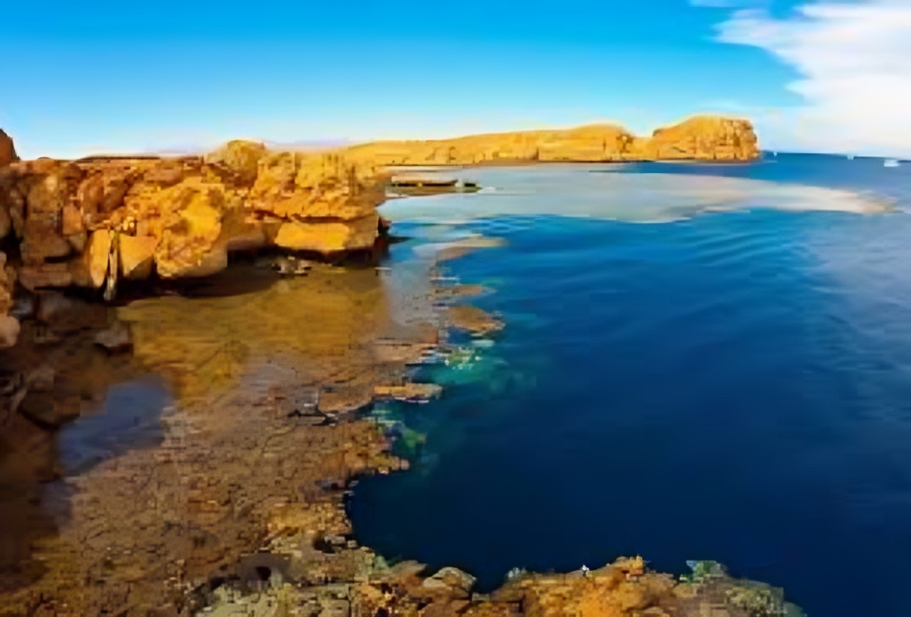
Image via website
Marsa Gawasis is one of Egypt’s most historically significant but still overlooked archaeological sites. Located on the Red Sea coast, the area contains evidence of ancient Egyptian maritime expeditions that once travelled to the legendary Land of Punt thousands of years ago. Archaeologists have discovered caves, anchors, ropes, and storage areas linked to these voyages, revealing that ancient Egyptians were highly skilled sailors and traders. Today, the site offers a fascinating glimpse into a lesser-known chapter of Egypt’s maritime history.
Wadi Skeit
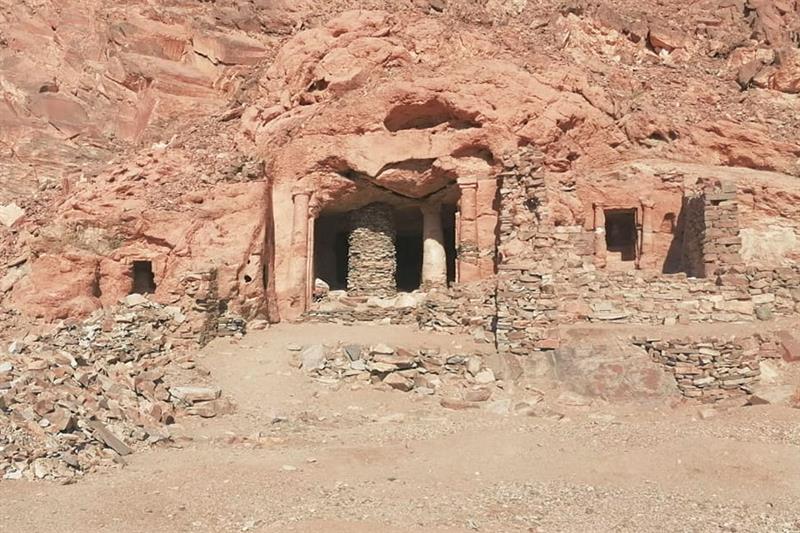
Image via website
Hidden among the rugged mountains of Egypt’s Eastern Desert, Wadi Skeit is a historic valley surrounded by rocky cliffs and ancient remains. The area contains traces of old settlements and structures carved into the mountainside, reflecting the harsh yet resourceful environment that once supported communities and trade routes. Its dramatic landscape attracts hikers, explorers, and photographers seeking destinations that blend history with raw desert beauty.
These hidden destinations reveal that Egypt is far more than its globally famous monuments. From isolated islands and coral ecosystems to ancient desert valleys and forgotten archaeological sites, these places highlight the country’s ecological and historical richness. As interest in alternative tourism continues to grow, destinations like Gebel Kamil, Abu Minqar Island, Rocky Island, Marsa Gawasis, and Wadi Skeit offer a quieter, more adventurous side of Egypt.
recommended
 City Life
Media Republic Expands into Saudi Arabia with Arsan Global Partnership
Advertising Agencies Arsan Global +7 City Life