From Trash to Treasure: Cairo Places That Got a Second Chance
Ain El Sira Lake Al-Azhar Park Aqueduct of Cairo cairo Cairo attractions Cairo parks Cultural Landmarks Egypt Tourism el sawy culturewheel Fustat Gardens Heritage Restoration Historic Cairo Public Spaces Urban Development Urban Regeneration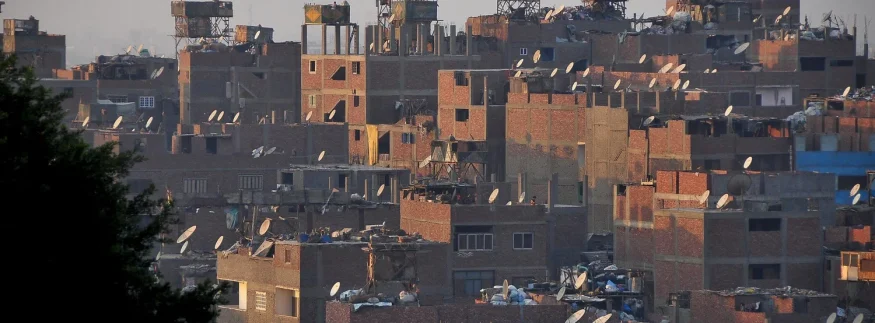
Nouran Awny
Image via website
Cairo is a city shaped by layers of history, constant change, and ongoing reinvention. While many residents and visitors know its parks, lakes, and cultural landmarks as they exist today, some of these destinations once looked very different. From former dumping grounds and polluted waterways to neglected historic sites and underutilised urban spaces, several areas across the capital have undergone significant transformations over the years. Their redevelopment reflects broader efforts to improve public spaces, preserve heritage, and create new destinations for residents and visitors alike.
Al-Azhar Park: From Dump Site to Urban Oasis
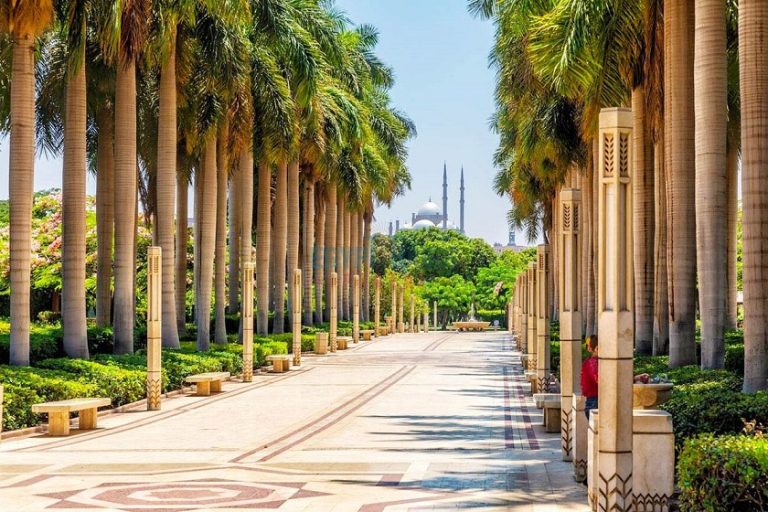
Today, Al-Azhar Park is widely regarded as one of Cairo’s most successful urban regeneration projects. Yet for centuries, the site functioned as a dumping ground for debris and waste. Following a large-scale restoration and landscaping project, the area was transformed into a 30-hectare public park that opened in 2005. Today, it offers landscaped gardens, walking paths, and panoramic views of Historic Cairo, attracting visitors from across the city.
Fustat Gardens: Reviving a Historic Landscape

Fustat holds a unique place in Egyptian history as the site of the country’s first Islamic capital. Despite its historical significance, parts of the area experienced decades of neglect and unplanned development. Recent redevelopment initiatives have sought to restore the area’s importance by creating a large green destination that integrates historical landmarks, cultural attractions, and public recreational spaces, while reconnecting visitors with an important chapter of Cairo’s past.
Ain El Sira Lake: A Waterfront Reimagined

For many years, Ain El Sira Lake was associated with environmental challenges, including polluted water and deteriorating surroundings. Extensive redevelopment efforts have since transformed the site into a more attractive public destination. Today, the area offers walking paths, landscaped spaces, and waterfront views, providing residents with a recreational space within the city.
The Aqueduct of Cairo: Preserving Heritage Through Redevelopment
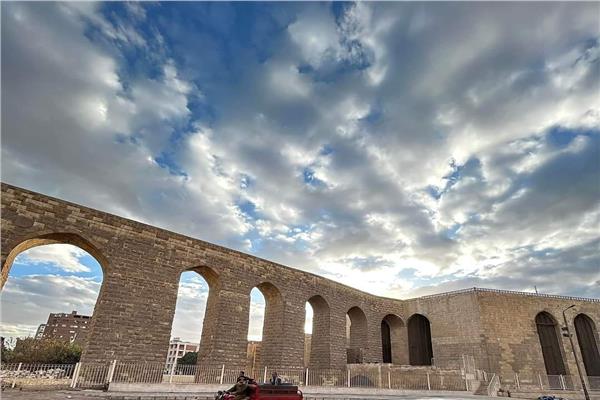
The Aqueduct of Cairo is one of the city’s most significant historical structures, yet the area surrounding it long suffered from industrial activity, informal workshops, and environmental deterioration linked to nearby tanneries. Recent development plans have focused on restoring the site and improving its surroundings, aiming to transform it into a cultural and tourism destination that highlights Cairo’s architectural heritage.
El Sawy Culturewheel: Creating Culture from an Overlooked Space
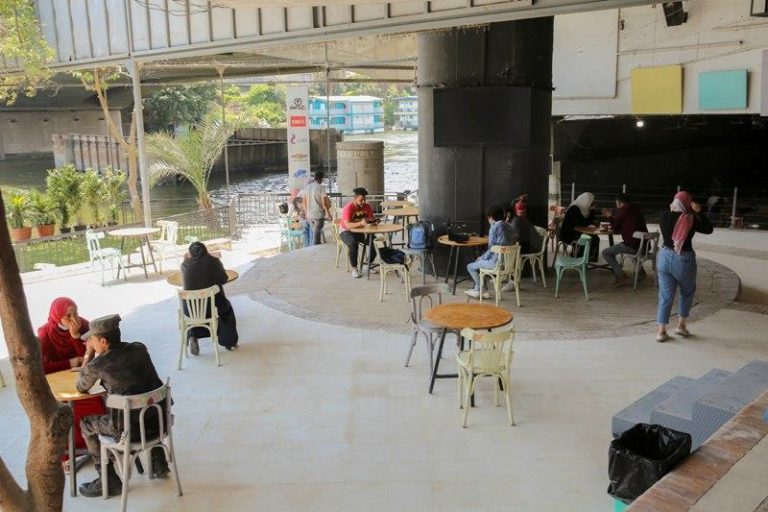
Beneath the 15th of May Bridge lies one of Cairo’s most recognisable cultural institutions. Before becoming the home of El Sawy Culturewheel, the area was largely underutilised. Through a vision centred on arts, culture, and community engagement, the space evolved into a vibrant venue hosting concerts, exhibitions, theatre performances, workshops, and cultural events, demonstrating how overlooked urban spaces can be successfully repurposed.
The Ongoing Reinvention of Cairo
The transformation of these locations highlights how redevelopment can reshape the urban experience while preserving historical and cultural value. Beyond infrastructure improvements, such projects contribute to the creation of public spaces that support community life, tourism, recreation, and cultural engagement. As Cairo continues to evolve, these destinations serve as examples of how neglected spaces can be reimagined and reintegrated into the fabric of the city.
recommended
 City Life
Media Republic Expands into Saudi Arabia with Arsan Global Partnership
Advertising Agencies Arsan Global +7 City Life