

Easing Into Ramadan: Simple Tips to Survive the First Week of Fasting
First week of Ramadan health & fitmess How to fast during Ramadan Nutrition ramadan 2026 Ramadan 2026 health tips Ramadan fasting tips Surviving Ramadan fasting
Nouran Awny
Image via website
The first week of Ramadan can feel like the toughest adjustment of the month. Shifts in eating habits, sleep schedules, and daily routines often leave many feeling tired, thirsty, or low on energy. But with a few mindful habits and small lifestyle tweaks, fasting becomes far more manageable. By focusing on proper nutrition, hydration, and rest, you can help your body adapt smoothly and start the holy month feeling balanced and energised.
Start the Day Right with a Balanced Suhoor

Image via website

Suhoor isn’t just an early meal; it’s the foundation for a successful day of fasting. Opt for slow-digesting foods like oats, whole grains, eggs, yoghurt, or beans to maintain energy for longer hours. A handful of nuts or a spoonful of nut butter adds healthy fats that promote fullness.
Try to avoid overly salty or sugary foods, as they can spike thirst and cause energy crashes later in the day. A well-planned suhoor sets you up for stamina and focus from dawn until iftar.
Hydrate Wisely Between Iftar and Suhoor

Image via website

Dehydration is one of the main culprits behind the first-week struggle. Instead of gulping large amounts of water at once, spread your fluid intake evenly throughout the evening.
Drinking gradually between iftar and suhoor allows your body to absorb hydration more effectively, helping to reduce fatigue, headaches, and that drained feeling during fasting hours.
Break Your Fast Gently
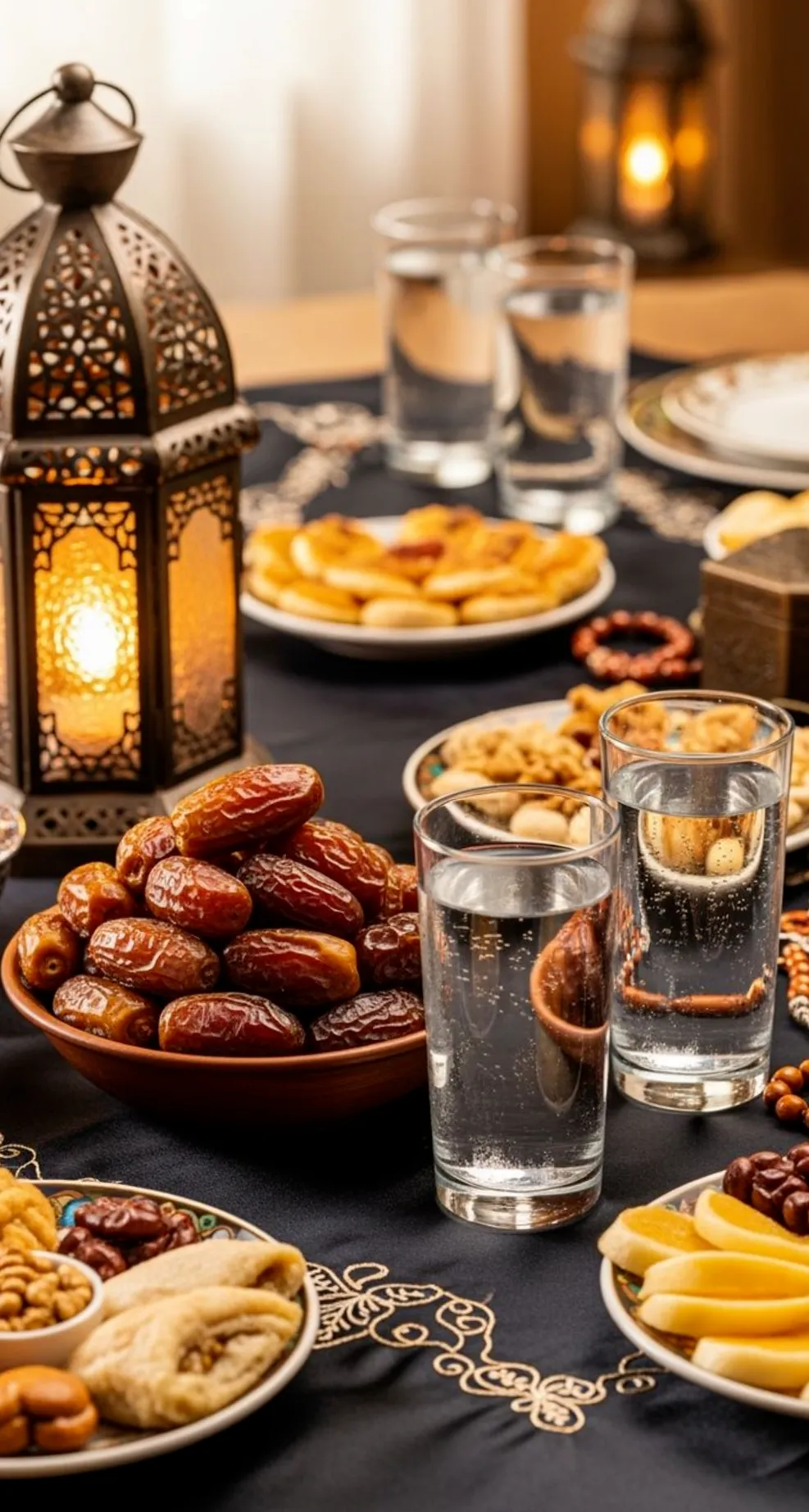
Image via website
After a long day without food or drink, your stomach needs time to adjust. Start iftar with a few dates, a glass of water, or a light soup before moving on to a full meal. Waiting a few minutes before heavier dishes aids digestion and prevents discomfort. Overeating or diving straight into fried foods can leave you feeling sluggish and make the next day harder to manage.
Prioritise Better Sleep Habits

Image via website
Ramadan often brings late nights and early mornings, disrupting usual sleep patterns. Establishing a consistent sleep routine, even if shorter than usual, makes a significant difference.
Short daytime naps can also help restore energy and improve focus, especially during the first week as your body adapts.
Pace Yourself During the Adjustment Period

Image via website
Your body needs time to adjust to fasting, so avoid overexerting yourself in the first few days. Schedule demanding tasks earlier in the day, and stick to light physical activity, such as walking after iftar, to support digestion and maintain energy.
The first week of Ramadan is all about patience and adjustment. By nourishing your body properly, staying hydrated, and giving yourself adequate rest, fasting becomes easier with each passing day. Small, mindful choices can transform the experience, helping you embrace the month with comfort, balance, and renewed energy.
recommended
 City Life
Battle of Flavours: Legacy vs Trend in Egyptian Desserts — El Malky vs B.Laban
C360 Food Cairo Culture +5 City Life
Lunar New Year and Valentine’s Day: A Season of Celebration at Four Seasons at The Nile Plaza
Four Season at the Nile Plaza ramadan 2026 City Life
Fairmont Nile City Presents a Refined Ramadan of Gatherings and Flavours
Fairmont Nile City Ramadan ramadan 2026 Arts & Culture