Reset. Recalibrate. Reinvent. at Creative Industry Summit 2026 As It Returns to Rethink Creativity, Business, and Innovation
AI in creativity business and creativity Cairo events CIS 2026 creative economy Creative Industry Summit cultural industry Egypt entrepreneurship events Cairo Heartwork by Mountain View innovation summit media and design Egypt New Cairo events tech and creativity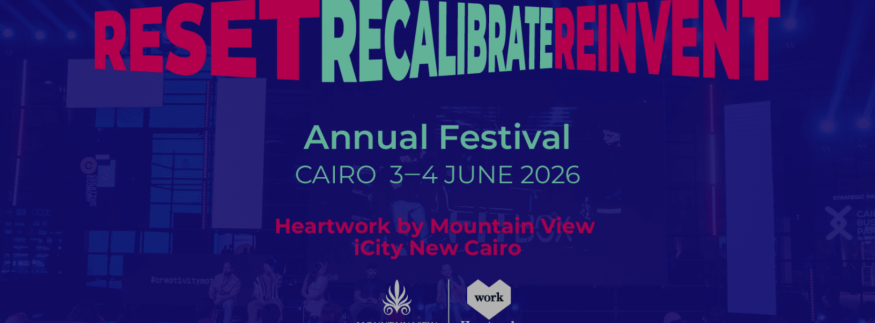
Safy Allam
The pace of change has become impossible to ignore. Industries are shifting, technologies are evolving at scale, and artificial intelligence is now actively reshaping how people build, work, and create. Against this backdrop, the Creative Industry Summit (CIS) returns on 3 and 4 June at Heartwork by Mountain View in New Cairo with a renewed approach to how creativity is discussed, experienced, and challenged.
This year’s edition is shaped around a simple but intentional direction: to reset how creative conversations begin, recalibrate how industries connect, and reinvent what collaboration across sectors can look like in a rapidly changing world. Rather than following the structure of a traditional conference, CIS 2026 moves towards a more fluid and reimagined format built around interaction, cross-industry exchange, and ideas that emerge through conversation rather than presentation.
More Than a Traditional Industry Gathering
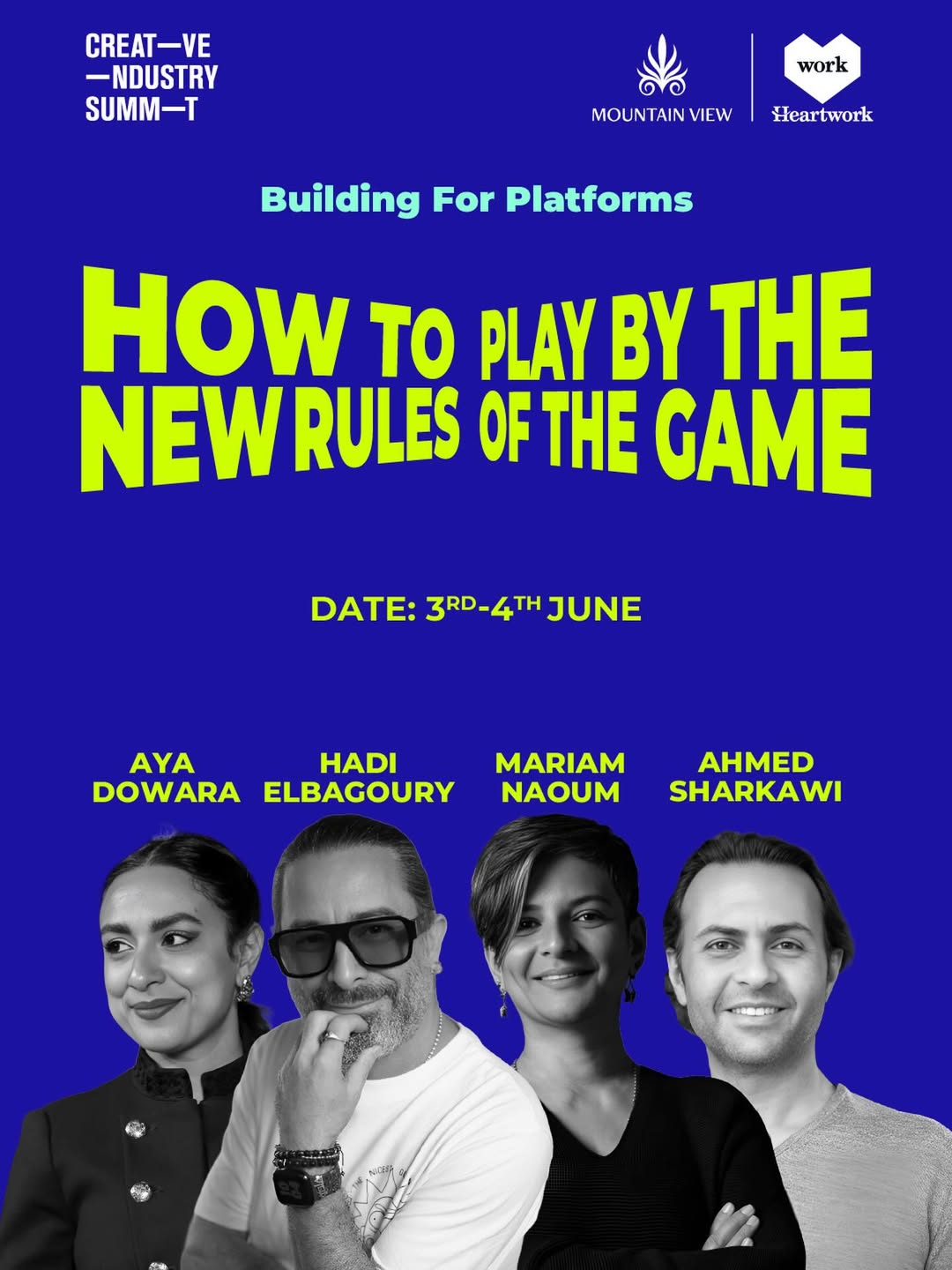
CIS has long brought together voices from across the creative landscape, but this year feels noticeably different in both structure and intent. The focus is less on formal stage-led sessions and more on creating space for dialogue between industries that don’t often sit in the same room. Expect conversations that move across creativity, media, design, technology, entrepreneurship, and innovation, with moments that naturally challenge how these fields intersect. The aim is not just to share knowledge, but to create an environment where ideas shift, collide, and evolve in real time.
Rethinking the Role of the Creative Economy
At the centre of CIS 2026 is a deeper reflection on the creative economy and its growing role in shaping both cultural and economic landscapes. Creative industries are no longer confined to entertainment or expression alone. Design, media, storytelling, and content creation are increasingly influencing how economies grow, how brands communicate, and how societies engage with change.
In Egypt, this impact has become especially visible. Storytelling and drama, for example, have moved beyond entertainment to actively shape public discourse, influence awareness around social issues, and, at times, connect with wider conversations around policy and society. The summit places these shifts at the forefront, positioning creativity not as a peripheral sector, but as a core catalyst of economic and social development that continues to expand in relevance.
AI and the Changing Creative Landscape
Artificial intelligence sits firmly within the same transformation curve. What was once a distant conversation has now become part of everyday creative and business workflows, with organisations increasingly moving from experimentation to implementation. Rather than treating AI as separate from creativity, CIS 2026 explores how both can evolve together, how tools and technology are reshaping creative output, and how human thinking continues to define direction, meaning, and originality.
A Shift in How the Industry Convenes
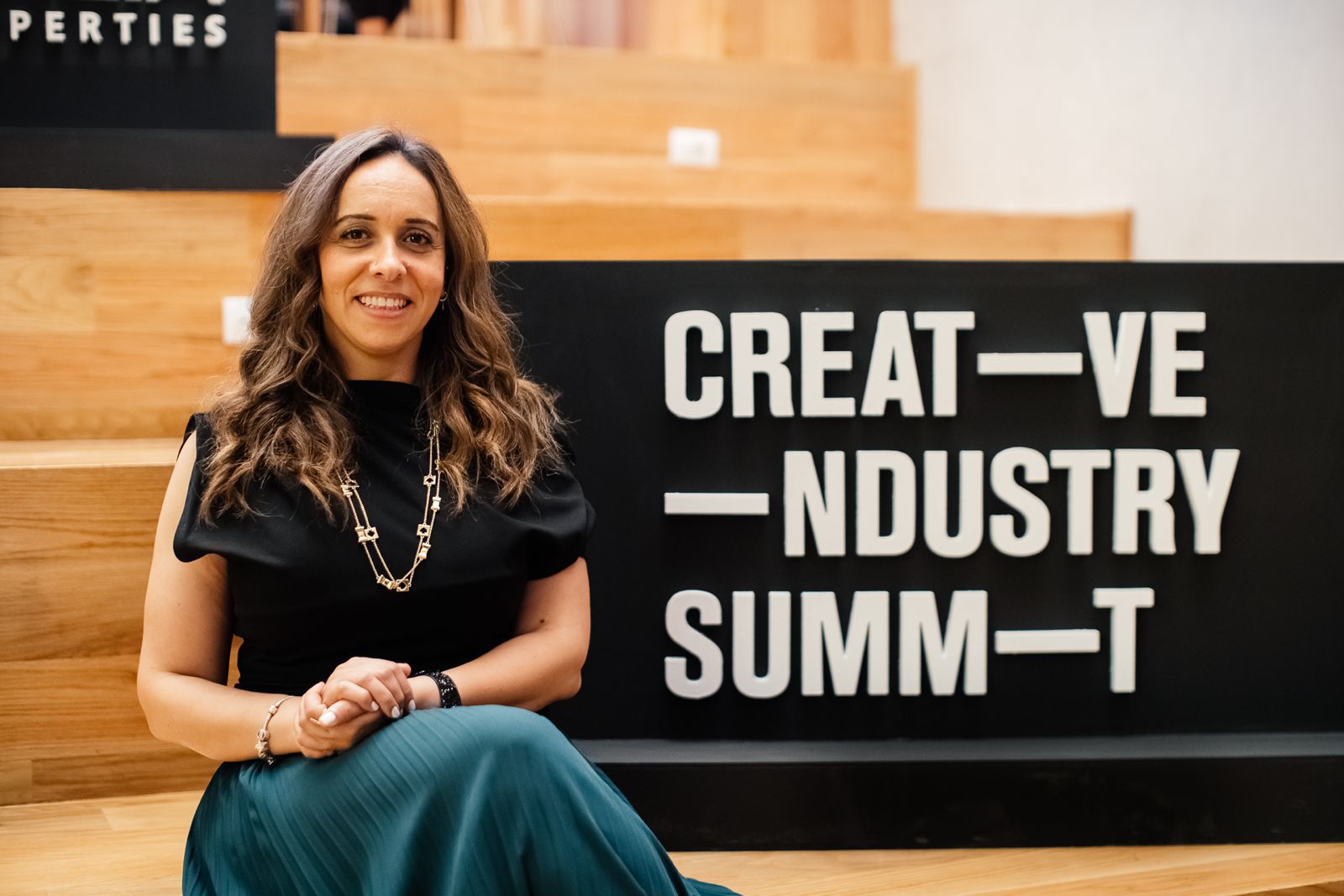
According to Mai Salama, Founding Partner of Creative Industry Summit, the shift behind this year’s edition reflects a broader change in how the industry itself operates. She explains that creativity can no longer be discussed in isolation, and neither should the conversations around it. The goal this year is to challenge familiar formats, open up new ways of thinking, and create a space where dialogue feels more honest, more connected, and more reflective of how the industry is evolving. This perspective sits at the core of CIS 2026, where the intention is not just to respond to change, but to actively shape how it is understood and navigated.
Resetting What Comes Next
Ultimately, CIS 2026 is about recognising that the creative industry is no longer operating within fixed boundaries. It is constantly shifting, expanding, and intersecting with new sectors, tools, and ways of working.
This edition becomes a moment to pause, reassess, and move forward differently, to reset outdated assumptions, recalibrate how collaboration works, and reinvent what growth in the creative economy can look like when creativity and technology are fully intertwined. More than an industry event, it is an open invitation to rethink what comes next, and who gets to shape it.
recommended
 City Life
Media Republic Expands into Saudi Arabia with Arsan Global Partnership
Advertising Agencies Arsan Global +7 City Life