A July of Transformation: From the Metro to the Monorail, How Cairo Keeps Reinventing Itself
architecture cairo cairo history Cairo Metro cairo360 City Development citylife egypt history Infrastructure Monorail nasr city New Administrative Capital Public Transport transportation Urban Planning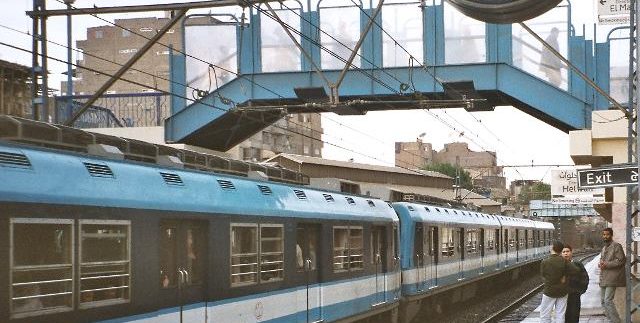
Safy Allam
Image via website
Every city has moments that quietly change its future. For Cairo, many of those moments seem to have happened in July. From the ambitious plans that reshaped how people moved around the capital to the transport projects still taking shape today, this month offers the perfect excuse to look back at a city that has never stopped evolving.
When Cairo Started Looking East
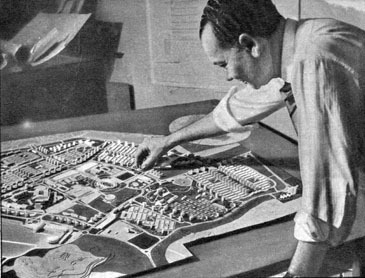
Image via website
By the late 1960s, Cairo had begun to outgrow its historic centre. Its narrow streets and long-established neighbourhoods were struggling to keep pace with a rapidly growing population, making expansion more of a necessity than a choice.
Around this time, plans for Nasr City began taking shape as one of Egypt’s most ambitious urban development projects. Unlike the winding streets of Historic Cairo, the new district introduced broad avenues, organised residential blocks, generous public spaces, and a more modern approach to city planning. It wasn’t simply about building a new neighbourhood; it was about creating space for Cairo’s future. Today, Nasr City remains one of the capital’s busiest and most recognisable districts, but when it first emerged, it represented something much bigger: a new vision for how Cairo could continue to grow.
First Came the Metro
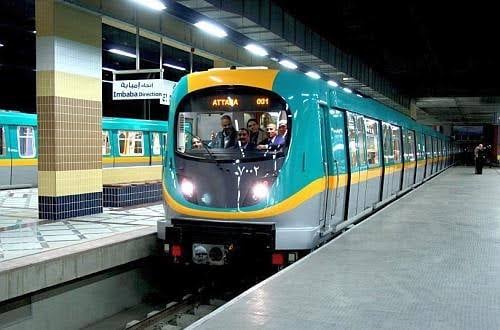
Image via website
As Cairo expanded above ground, another challenge was becoming increasingly difficult to ignore: how to move millions of people efficiently across an ever-growing city. In 1969, the Egyptian government commissioned studies that would eventually pave the way for the Cairo Metro. At the time, buses and trams were struggling to keep up with demand, and planners recognised the need for a faster, more reliable transport system.
Although the first Metro line did not open until 1987, those early plans laid the foundations for what became Africa’s first metro system and one of the busiest in the region. Today, millions of people rely on it every day. Whether it’s the morning commute to work, a trip to university, or avoiding Cairo’s notorious traffic, the Metro has become part of daily life for generations of Cairenes.
Now Comes the Monorail
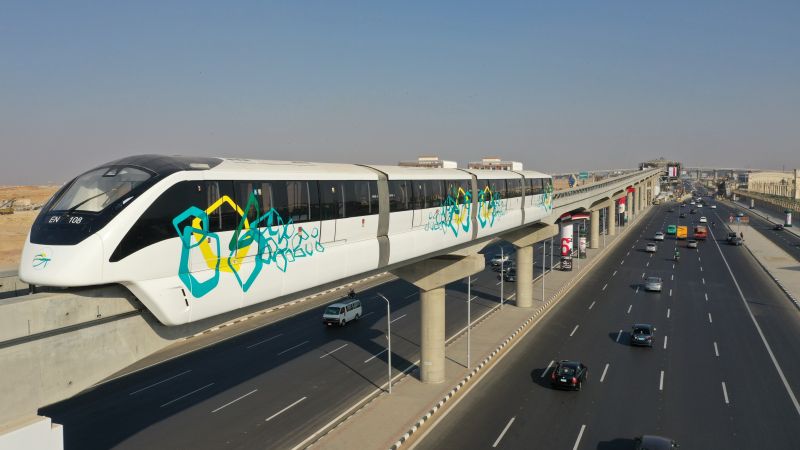
Image via website
More than five decades later, Cairo is entering another chapter in its transport story. This summer marks the continued rollout of Egypt’s first monorail, designed to connect Greater Cairo with rapidly growing communities such as the New Administrative Capital and 6th of October City. While the technology is new, the ambition behind it feels remarkably familiar: easing congestion, supporting urban expansion, and helping the city prepare for the future.
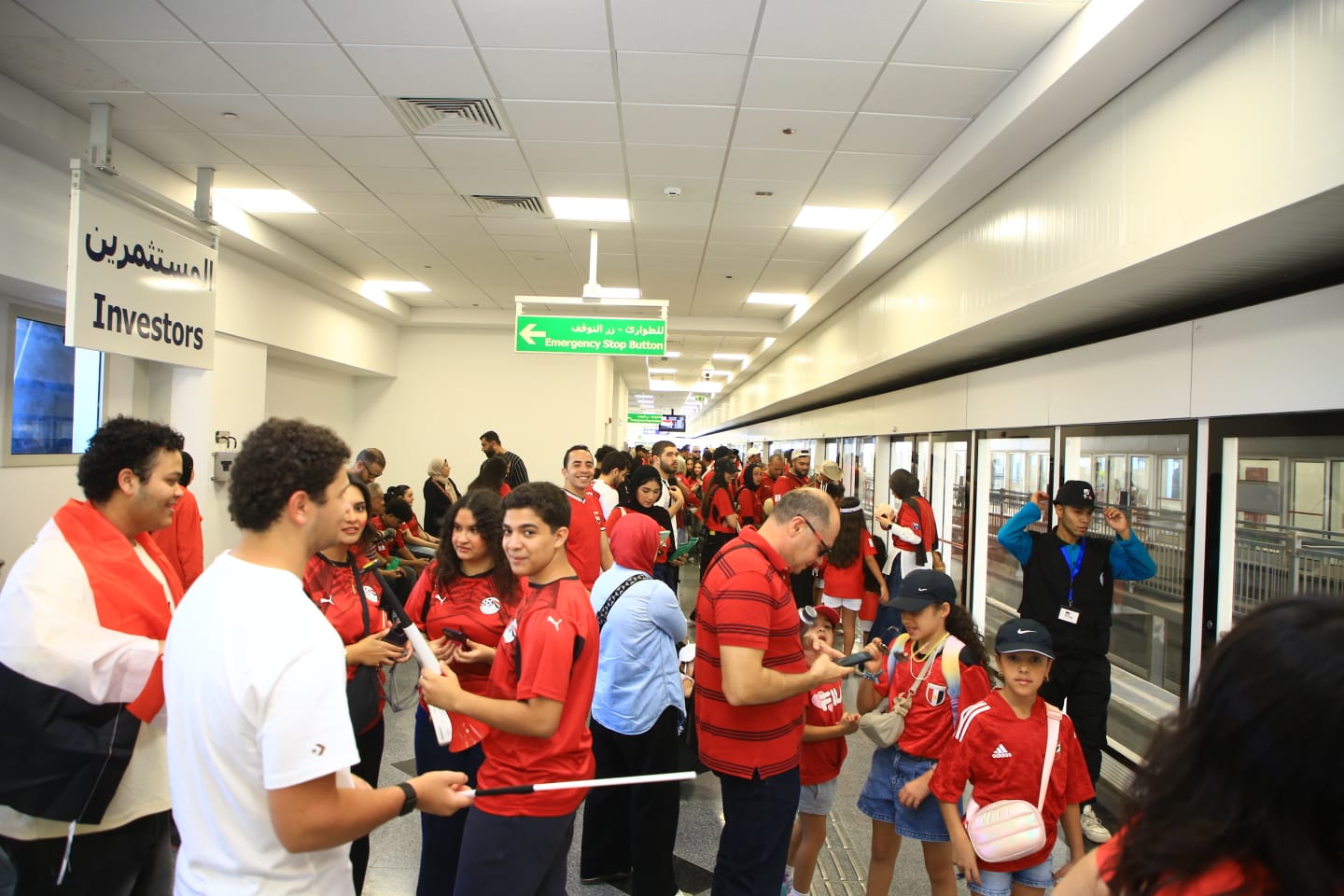
Image via website
The monorail has now been operating for some time, and it hasn’t taken long for Egyptians to make it their own. Beyond helping commuters avoid Cairo’s busy roads, it has become a convenient way to reach destinations such as the FIFA World Cup Fan Zone. And, in true Egyptian fashion, it has even appeared in wedding photos and become the setting for small celebrations, showing that the city’s newest transport network is already part of everyday life in more ways than one.
Different Projects, One Vision
Cairo is often celebrated for its ancient history, from centuries-old mosques and bustling souqs to landmarks that have stood for generations. Yet its modern history is equally fascinating. Nasr City changed the direction of Cairo’s growth. The Metro changed how people moved around it. Today, the monorail and continued expansion towards new cities such as the New Administrative Capital are shaping what comes next. Each project belongs to a different generation, but together they tell the story of a capital that has never stopped adapting to the needs of its people.
A City That Never Stops Moving
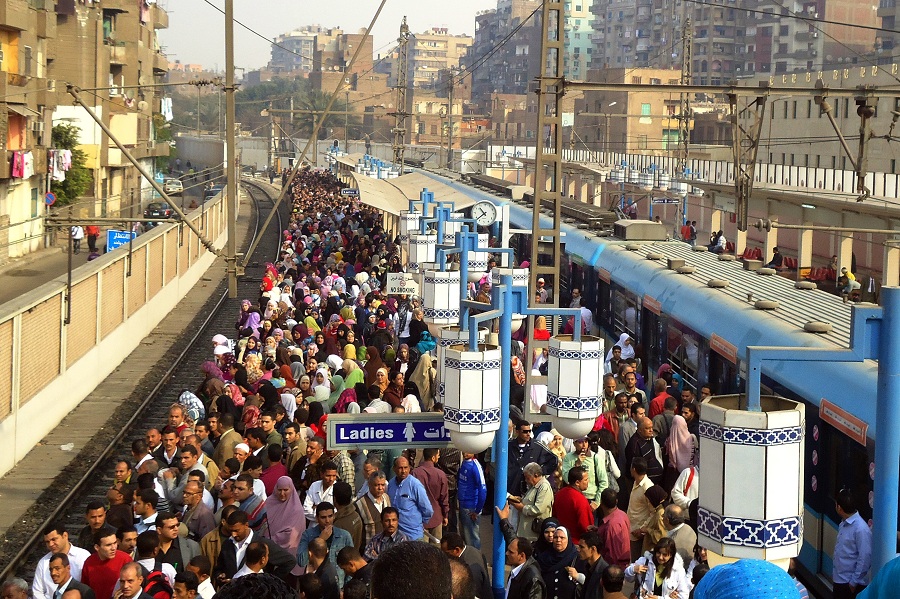
Image via website
July may not officially commemorate these milestones, but it offers a fitting moment to reflect on Cairo’s remarkable journey. Every new district, railway, and transport project began as an ambitious idea before becoming part of everyday life. Cairo has never been a city that stands still. Every generation has left behind an idea that changed how people live, move, and experience the capital. The Metro transformed daily travel, Nasr City reshaped where the city could grow, and the monorail is beginning to redefine what comes next along with the New Administrative Capital.
As another July unfolds, it serves as a reminder that some of Cairo’s biggest transformations don’t happen overnight. They begin with a bold idea and continue shaping the city for decades, proving that while Cairo’s history is centuries old, its future is still being built every day.
recommended
 City Life
Media Republic Expands into Saudi Arabia with Arsan Global Partnership
Advertising Agencies Arsan Global +7 City Life