How Tunis Village Became Egypt’s Famous Pottery Destination
arts and crafts cultural tourism Egypt Travel Egyptian handicrafts Egyptian pottery Evelyne Porret fayoum Fayoum Pottery School Fayoum travel Lake Qarun pottery pottery village rural tourism Tunis Pottery Festival Tunis Village Weekend Getaways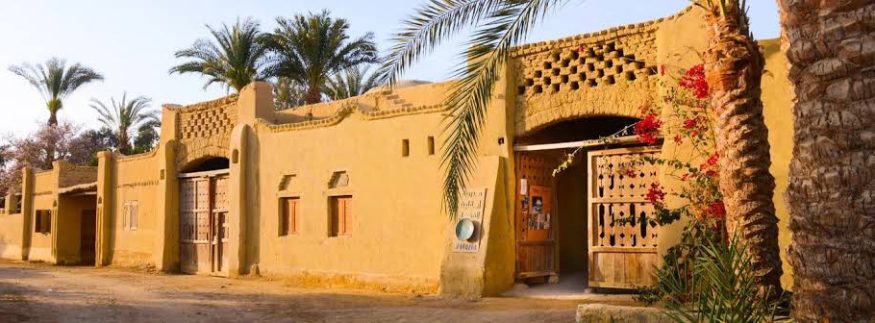
Sarah Francis
Image via website
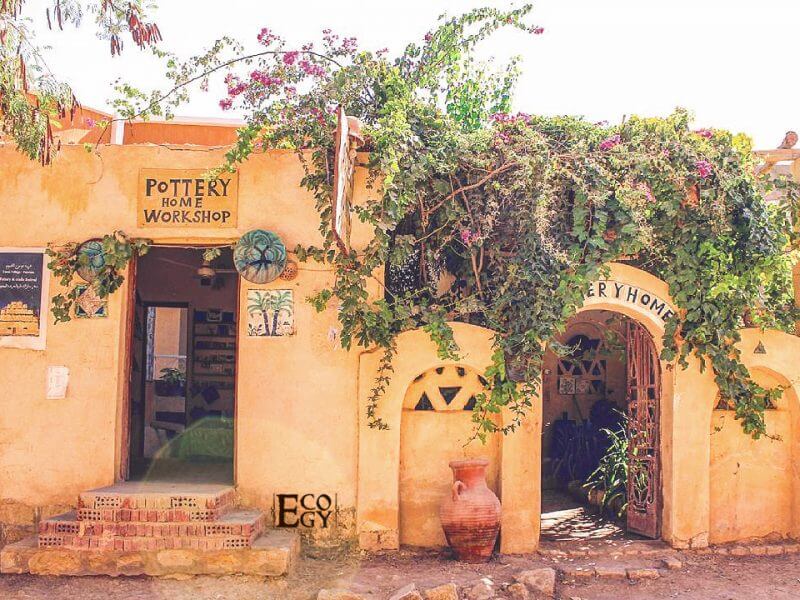
On the road to Fayoum, Tunis Village does not announce itself with the noise of a typical tourist destination. It appears more quietly: mud-brick houses, gardens, narrow lanes, Lake Qarun in the distance, pottery displayed outside small workshops, and visitors walking in and out of studios with plates, bowls, mugs, and hand-painted pieces carefully wrapped for the trip back to Cairo.
Today, many Egyptians know Tunis as the pottery village: a weekend escape, a place for workshops, guesthouses, pottery shopping, lake views, and slow rural charm. But the village did not become famous overnight, and it was not originally built as a tourist attraction. Its story is closer to a chain reaction: one artist saw potential, children learned a craft, families opened workshops, visitors started coming, and a quiet village slowly turned into one of Fayoum’s most recognisable cultural destinations.
Before the Pottery Fame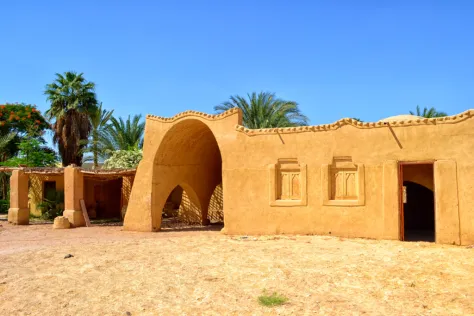
Image via website
Tunis Village sits in Fayoum, overlooking Lake Qarun, one of the area’s most distinctive natural landmarks. Long before it became associated with handmade ceramics, its appeal came from its setting: fields, lake views, birds, desert nearby, and a slower pace than Cairo. Fayoum Governorate describes Tunis as a picturesque lakeside village near Qarun Lake, known today for its peaceful atmosphere and children’s pottery school.
That location helped shape what came later. Tunis was close enough to Cairo for artists, visitors, and weekend travellers to reach it, but far enough to feel like an escape. It had the rural quiet that creative people often look for, and the natural landscape gave the village a visual identity before pottery became its main one.
The Artists Who First Noticed Tunis
The village began attracting cultural attention in the 1960s, when Egyptian artists and intellectuals started spending time there. One academic study describes Tunis as having been “re-discovered” in the sixties by Egyptian poet Sayed Hegab and his Swiss wife, Evelyne Porret. Other accounts mention the role of artists and poets in encouraging local creativity before the pottery school became the village’s strongest symbol.
This early artistic presence matters because it changed the way the village was seen. Tunis was no longer only a rural settlement by the lake; it became a place where artists could live, work, and imagine something different. That atmosphere prepared the ground for the transformation that would come later through pottery.
Evelyne Porret: The Woman Behind the Pottery Story
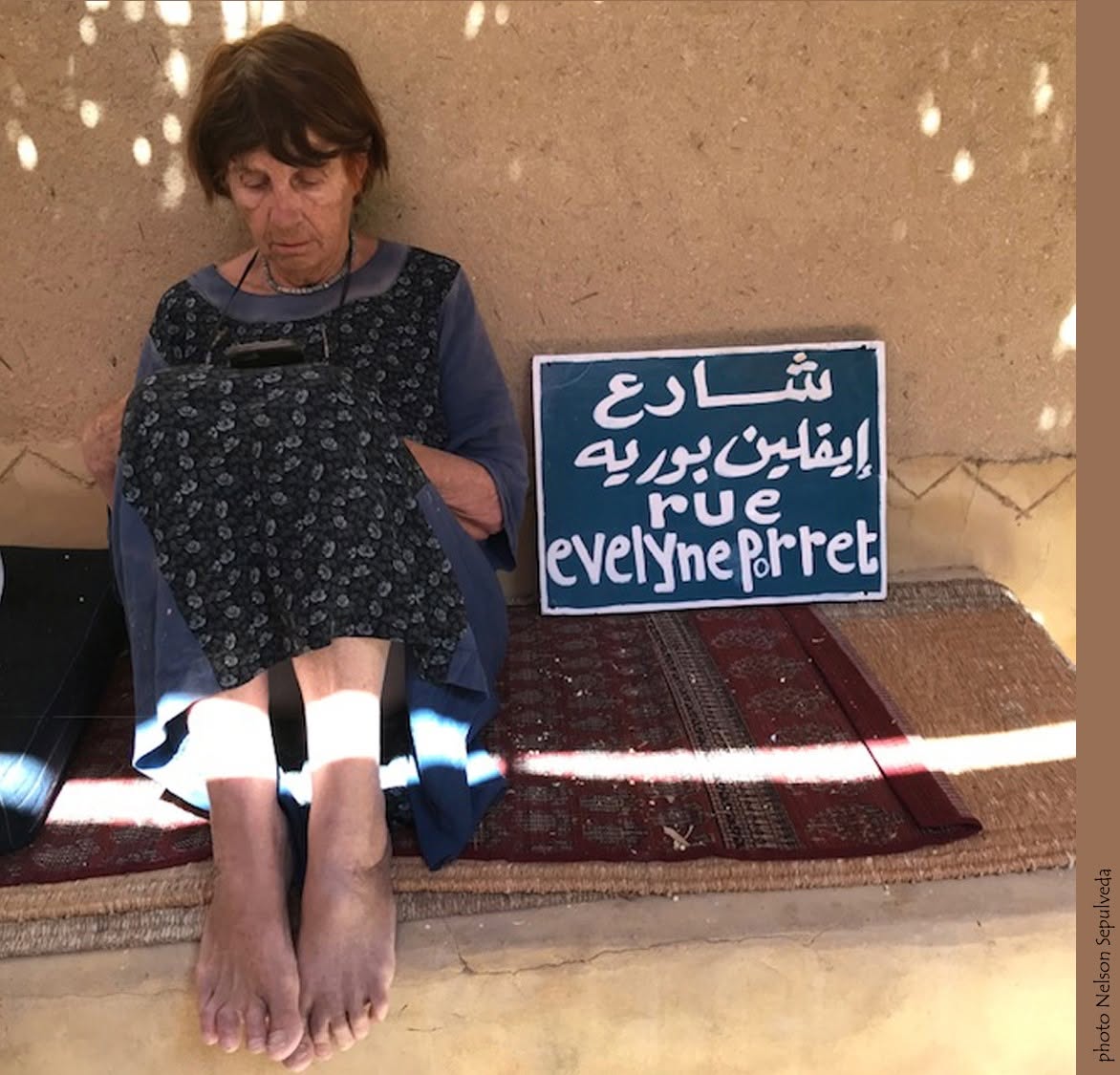
Image via website
The name most closely connected to Tunis Village’s pottery identity is Evelyne Porret. She was a Swiss-born potter who studied pottery in Switzerland and later came to Egypt, where she was influenced by local ceramic traditions and studied with Egyptian ceramicist Saeed El-Sadr. Over time, she settled in Tunis with her second partner, Michel Pastore.
Porret’s role was not simply that she opened a studio. She looked at the village and saw that children already had a natural relationship with clay and drawing. Accounts of her work often mention that she noticed local children playing with mud and producing spontaneous shapes and drawings. Instead of treating this as a passing game, she turned it into a method: teaching children how to use their hands, trust their imagination, and transform simple clay into art.
The Birth of the Fayoum Pottery School
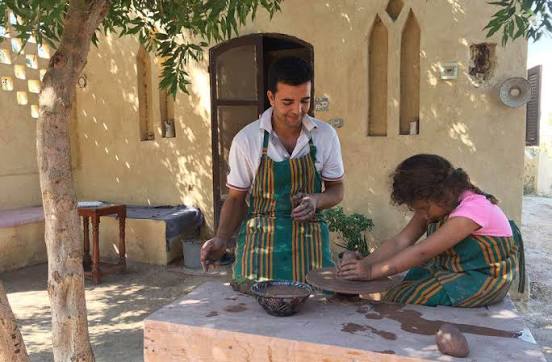
Image via website
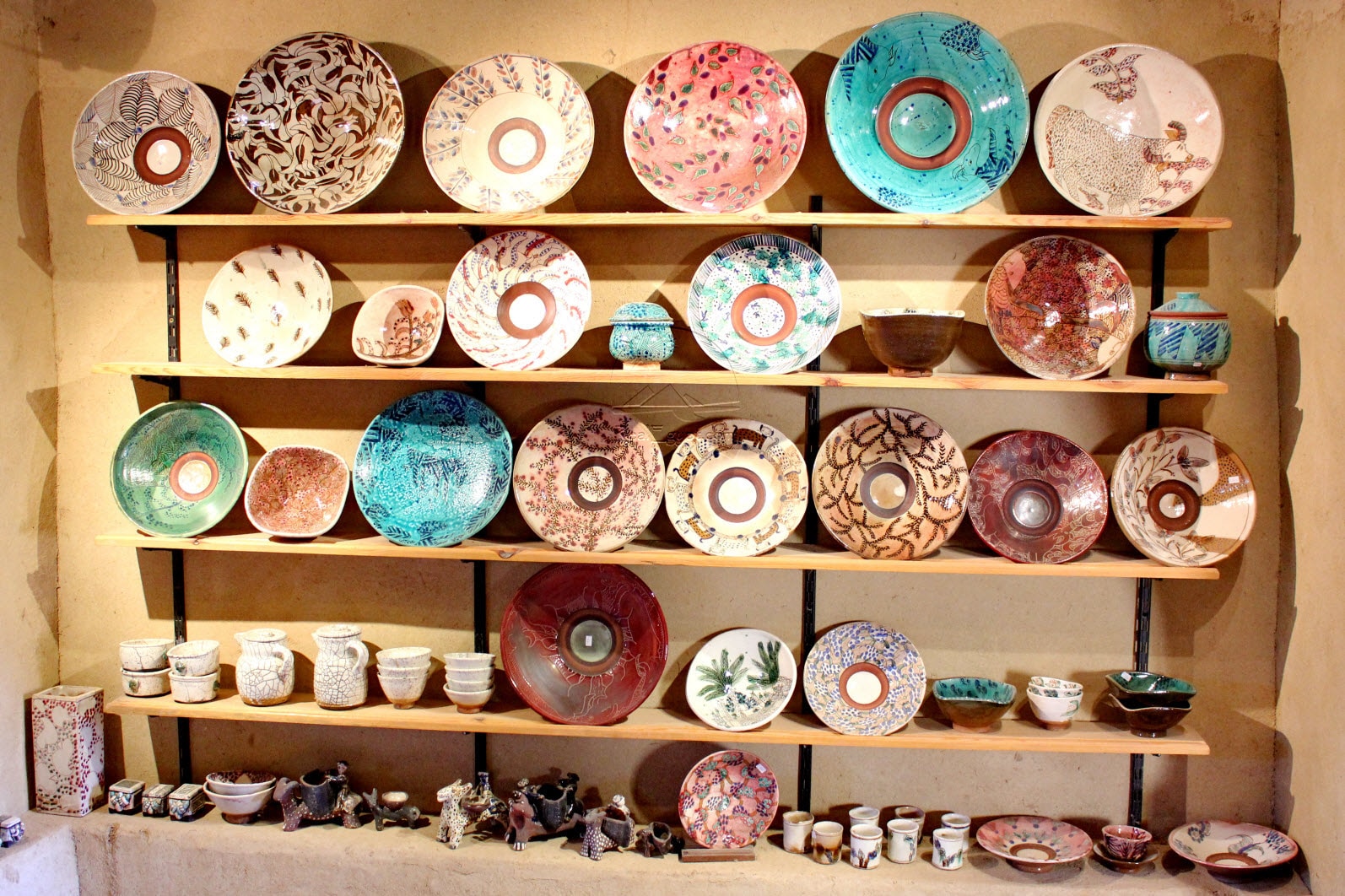
In 1989, Evelyne Porret founded the Fayoum Pottery School in Tunis Village. The school became the centre of the village’s pottery transformation. It trained children in ceramics without forcing them into stiff academic patterns. The style that grew from the school became known for its simple lines, playful figures, animals, village scenes, birds, fish, plants, and colourful hand-painted surfaces.
This is part of what made Tunis pottery recognisable. It did not look like factory ceramics, and it did not try to copy ancient Egyptian motifs in a forced way. It carried something more direct: the hand of the maker, the imagination of the village, and a sense of everyday life translated into plates, bowls, tiles, and decorative pieces.
From Students to Artisans
The real change happened when the children who learned at the school grew up. Many became potters, teachers, workshop owners, or artisans in their own right. What began as one school slowly expanded into a village economy around ceramics.
Different sources now describe Tunis as home to a pottery school, several studios, guesthouses, and an annual pottery festival. Some accounts mention more than ten pottery studios. This means the village’s identity moved from one founder to a wider community. Porret planted the seed, but the second generation carried it into homes, workshops, shops, exhibitions, and tourist visits.
A Style That Belongs to the Village
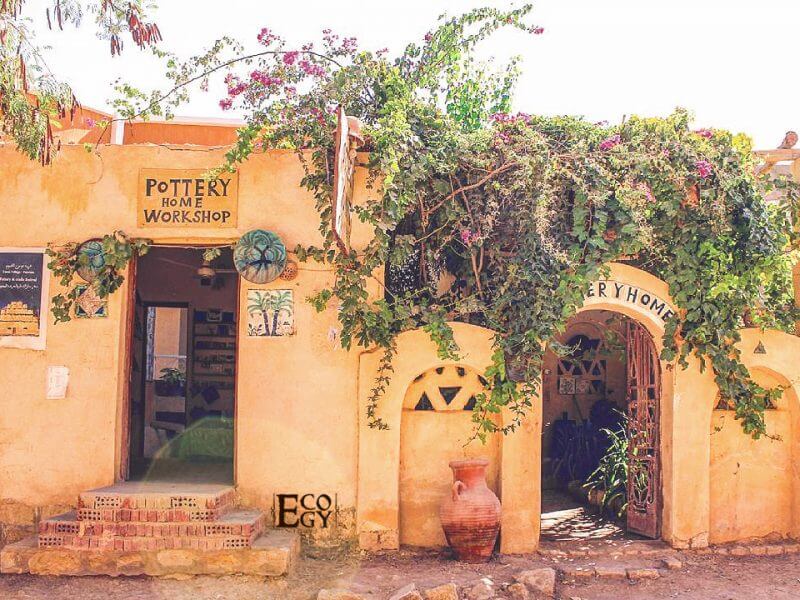
Image via website
Part of Tunis Village’s fame comes from the fact that its pottery has a visible personality. Many pieces feel light, childlike, and expressive. Birds, fish, donkeys, palm trees, houses, flowers, and rural scenes often appear in bright colours. The shapes are not always perfectly symmetrical, and that is part of their charm.
This style helped Tunis stand apart from mass-produced ceramics. Visitors were not only buying a mug or plate. They were buying something that looked connected to a place and a maker. In an age where many home items look identical, Tunis pottery offered imperfection, personality, and a handmade story.
The Annual Pottery Festival
The annual Tunis Pottery Festival helped move the village from a quiet craft destination to a larger cultural attraction. The festival brings together potters, artisans, exhibitions, workshops, performances, and visitors. Ahram Online has described the festival as a showcase for the arts and handicrafts that made the village a beloved local gem, while other coverage links its growth to efforts to preserve Fayoum’s craft heritage and attract more visitors.
The festival gives Tunis a calendar moment. Instead of waiting for random weekend visitors, the village has an annual event that reminds people to come, buy, learn, and celebrate the craft. It also connects pottery to a wider Fayoum experience: music, food, horse riding, bird watching, rural walks, and local hospitality.
From Craft Village to Weekend Escape
As pottery became more famous, tourism followed. Guesthouses, eco-lodges, small hotels, cafés, and experience-based activities began to grow around the village. Tunis became a place where visitors could do more than shop. They could take pottery classes, stay overnight, walk through workshops, ride horses, visit Lake Qarun, explore Wadi El Rayan, or use the village as a base for a wider Fayoum trip.
This is why Tunis became especially attractive to Egyptians, not only foreign tourists. For Cairo residents, it offers something close but different: a short trip that feels rural, artistic, photogenic, and calmer than the city. It fits the kind of travel many people now look for: not only sightseeing, but an experience they can touch, taste, photograph, and remember.
The Role of Architecture and Atmosphere
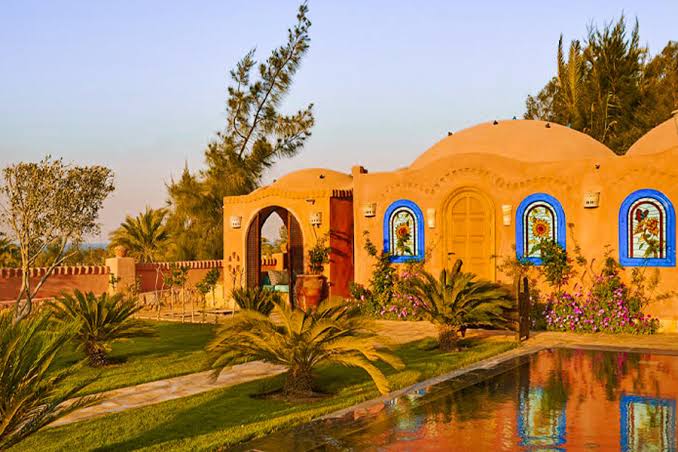
Image via website
Tunis is not only famous because of pottery; its atmosphere completes the story. The village is known for mud-brick-style buildings, domed roofs, gardens, courtyards, and earthy colours that blend with Fayoum’s landscape. This architectural mood makes the pottery feel like part of a larger visual world.
Visitors often remember the whole scene: pottery shelves outside workshops, clay walls, flowering plants, lake air, quiet streets, and handmade objects placed against natural textures. That atmosphere has helped Tunis become popular on social media, especially among people looking for places that feel authentic, peaceful, and visually different from malls or crowded resorts.
Pottery as a Local Economy
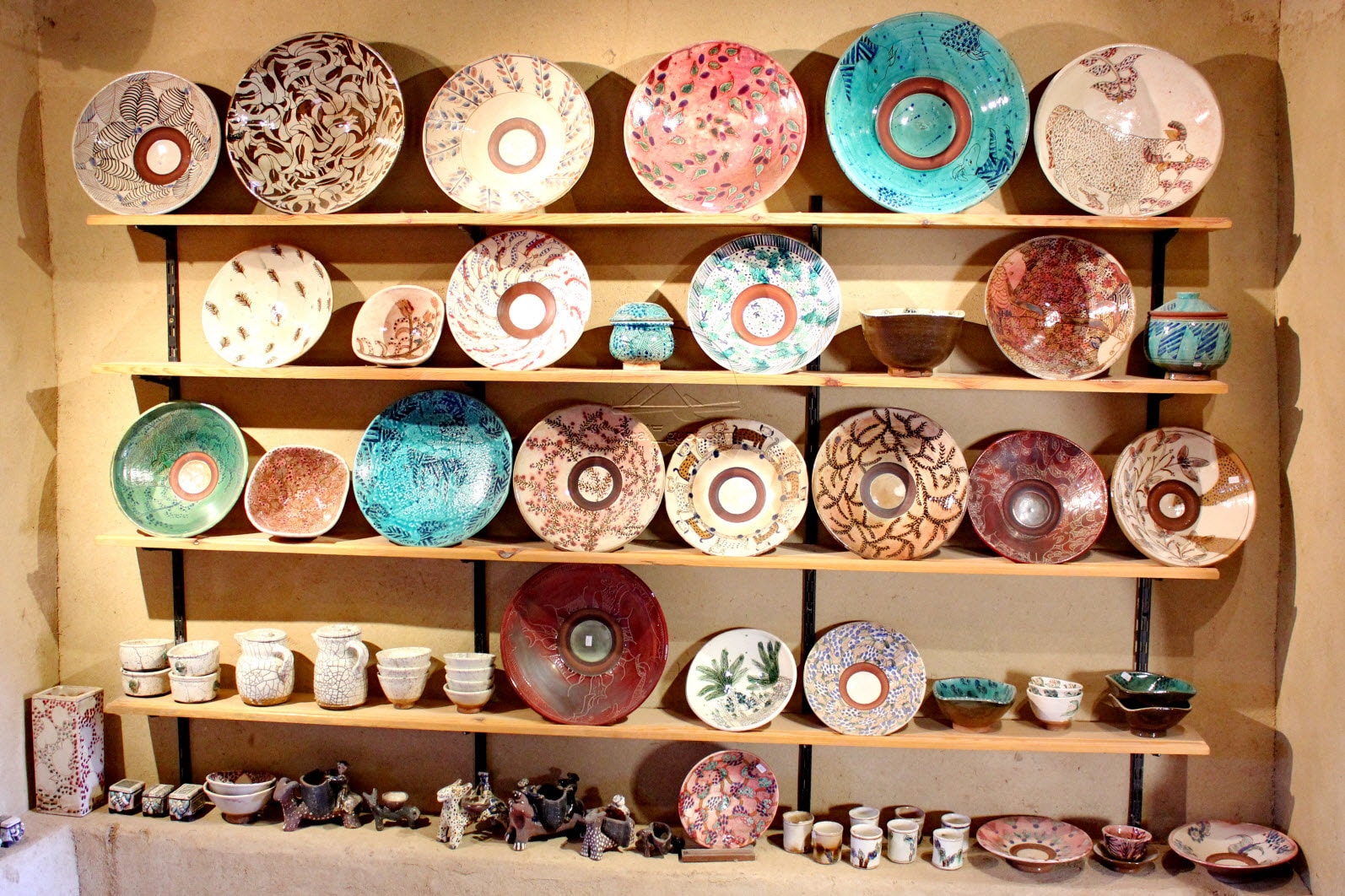
Image via website
The transformation of Tunis also shows how a craft can become an economic engine. Pottery created work for families, opened space for small businesses, encouraged home-based production, attracted tourists, and helped the village build a distinct identity. A visitor may buy one plate, but behind that purchase is a chain of local labour: clay preparation, shaping, firing, painting, selling, teaching, packaging, and hospitality.
The village’s success also helped show how rural tourism can work when it is built around a real local identity rather than an artificial attraction. Tunis did not become famous because someone placed a large entertainment complex there. It became famous because a craft grew from within the village and then attracted people from outside.
Why Egyptians Love Visiting Tunis Now
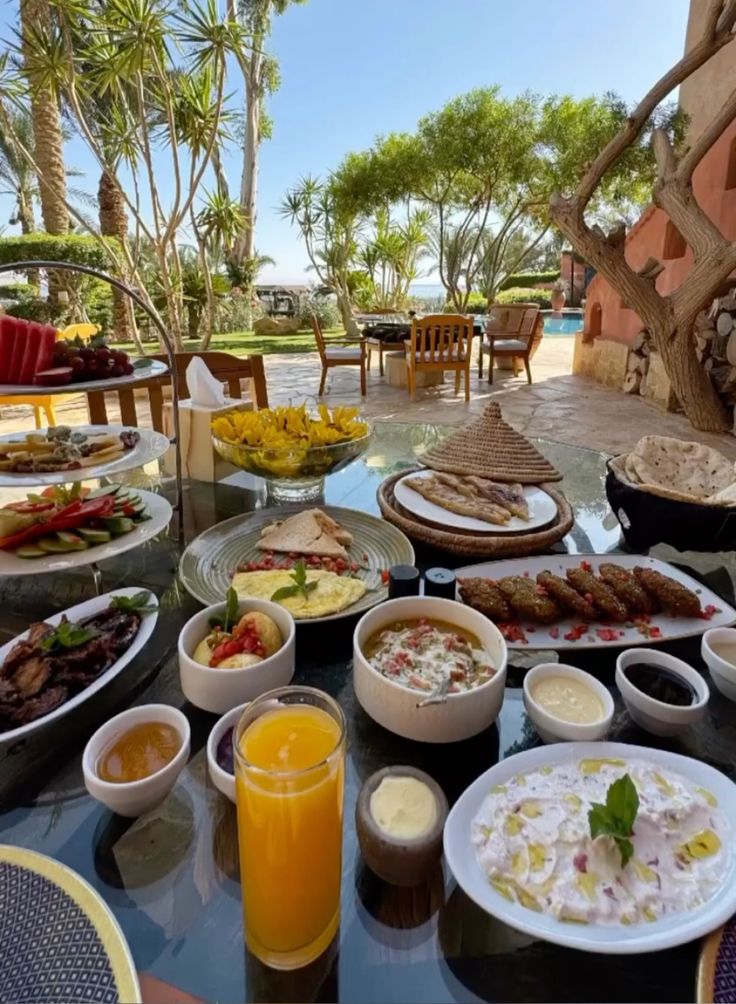
Image via website
For many Egyptians, Tunis offers a rare combination: it is close enough for a weekend, calm enough to feel like a break, and interesting enough to offer activities. Families go for pottery workshops and open-air meals. Couples go for quiet stays and lake views. Friends go for photos, cafés, and road-trip energy. Art lovers go for ceramics and craft studios. Parents take children because pottery feels both fun and educational.
The village also gives visitors a sense of buying from people, not from anonymous shelves. Walking into a workshop, meeting a maker, hearing the stories behind the making, and choosing a hand-painted piece creates a different relationship with the object. The memory becomes part of the purchase.
What to Do When You Visit
A good visit to Tunis should include more than buying pottery quickly and leaving. Take time to walk through the village, visit different workshops, ask about the pieces, and notice how styles vary from one artisan to another. Try a pottery workshop if available, because shaping clay by hand makes you understand the work differently.
Staying overnight also changes the experience. The village feels different in the morning and at sunset, when the streets are quieter, and Lake Qarun becomes part of the mood. Tunis works best when treated slowly, not as a rushed stop on the way to somewhere else.
recommended
 City Life
Media Republic Expands into Saudi Arabia with Arsan Global Partnership
Advertising Agencies Arsan Global +7 City Life