From Green Papyrus to Timeless Art: A Design Competition Reimagining Egypt’s Ancient Material
art competitions Contemporary Art creative opportunities design competition design opportunities egypt Egyptian Art Egyptian design Egyptian Heritage emerging designers Papyrus product design product design competition sustainability sustainable design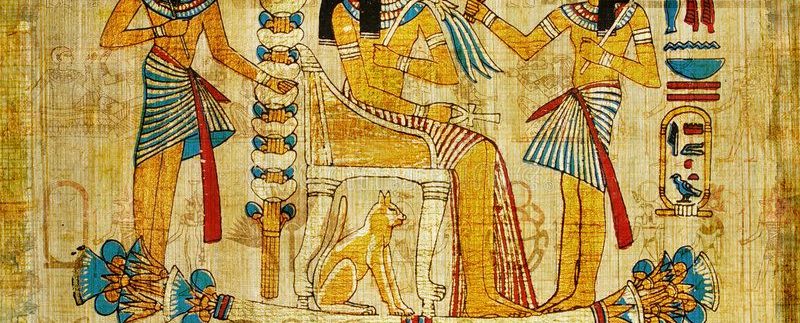
Sarah Francis
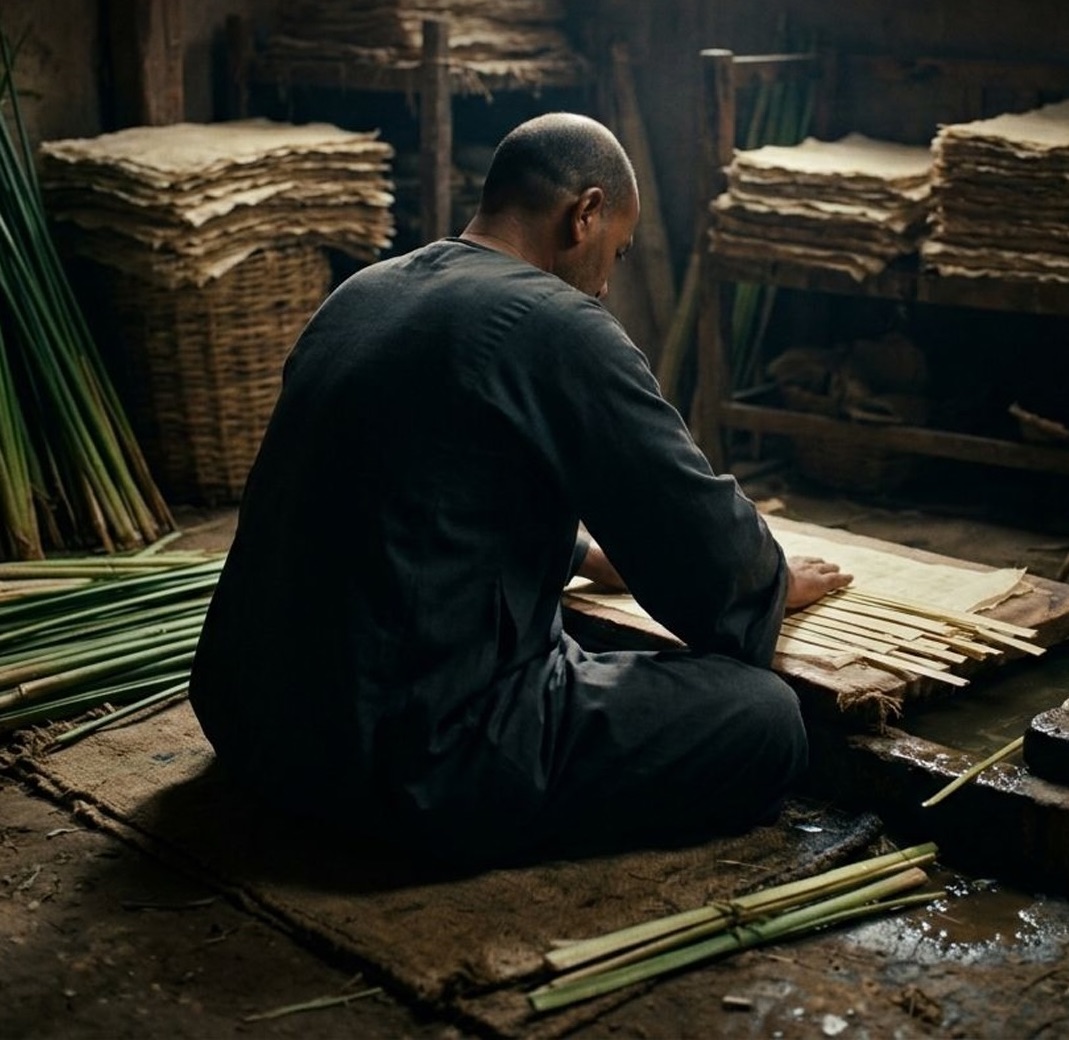
Papyrus is usually thought of as one of Egypt’s oldest cultural symbols: a plant, a writing surface, and a material tied to memory, knowledge, and ancient craftsmanship. But this new design competition wants to take papyrus out of the museum-like frame and place it within contemporary art, product design, and sustainable creativity.
The World Art Forum for Development Foundation has launched the second edition of its product design competition, titled “From Green Papyrus to Timeless Art.” The open call invites designers to create artistic products that merge the history of papyrus with modern design, while also placing sustainability at the heart of the final work.
A Competition Built Around Papyrus
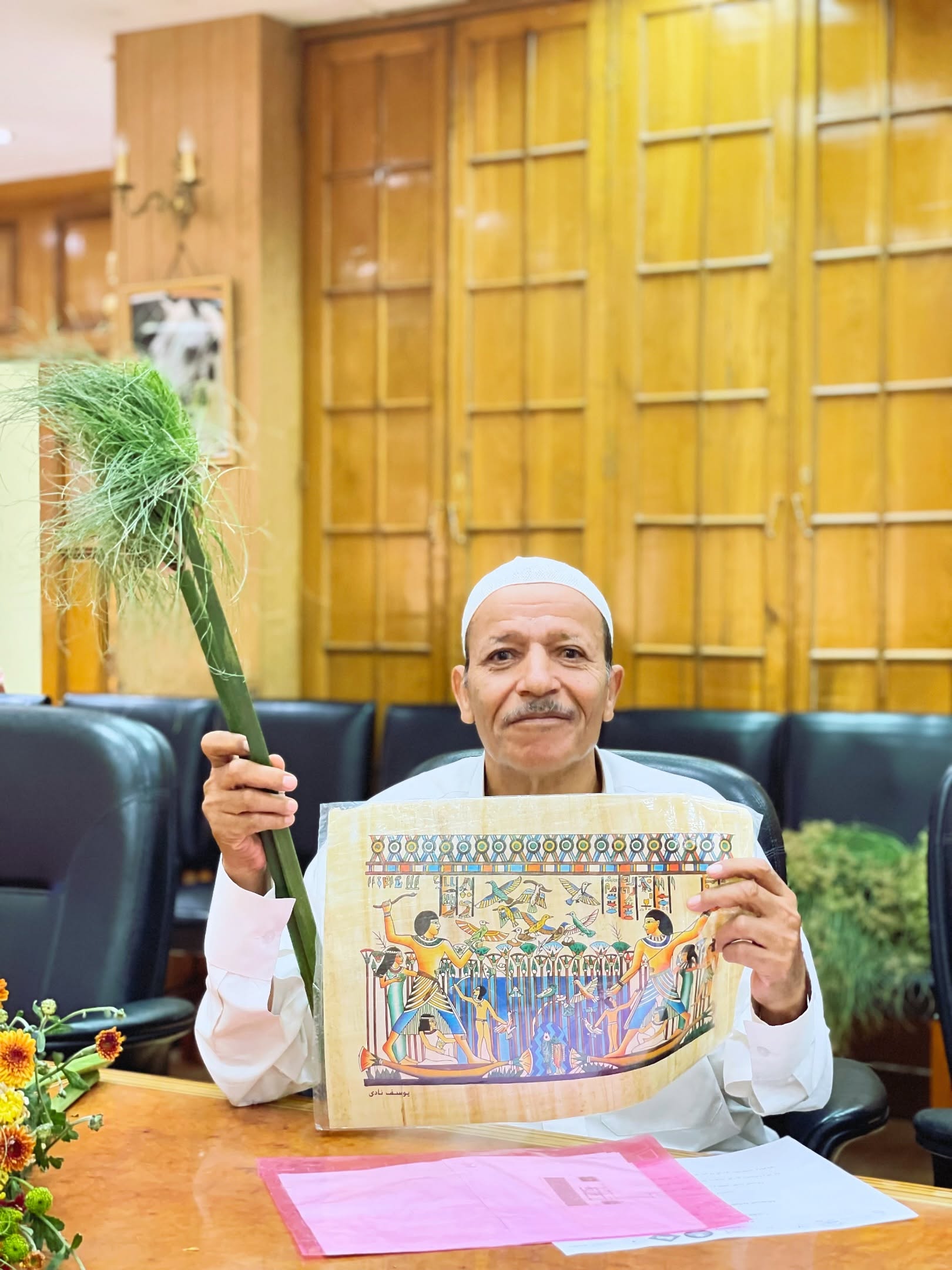
The main idea of the competition is simple but rich: designers are asked to create artistic products made from papyrus. The goal is not only to use the material decoratively, but to celebrate its history and reimagine it through contemporary design. This gives the competition a strong Egyptian identity. Papyrus is not treated as an old souvenir or a repeated tourist-market object, but as a material that can still inspire furniture pieces, lighting, home accessories, decorative products, and functional artworks. The challenge is to make the final product feel both rooted and new.
Who Can Apply?
The competition is open to participants from around the world, making it an international call rather than a local-only opportunity. Anyone aged 18 or older can apply, whether they are a professional designer or a beginner with a strong creative idea. Each participant can submit up to three works. However, the jury will choose only one work per participant for the final evaluation.
Participation is free, making the opportunity more accessible to young designers, students, emerging artists, and independent creatives who may not have the budget for paid competitions.
What Can Designers Submit?
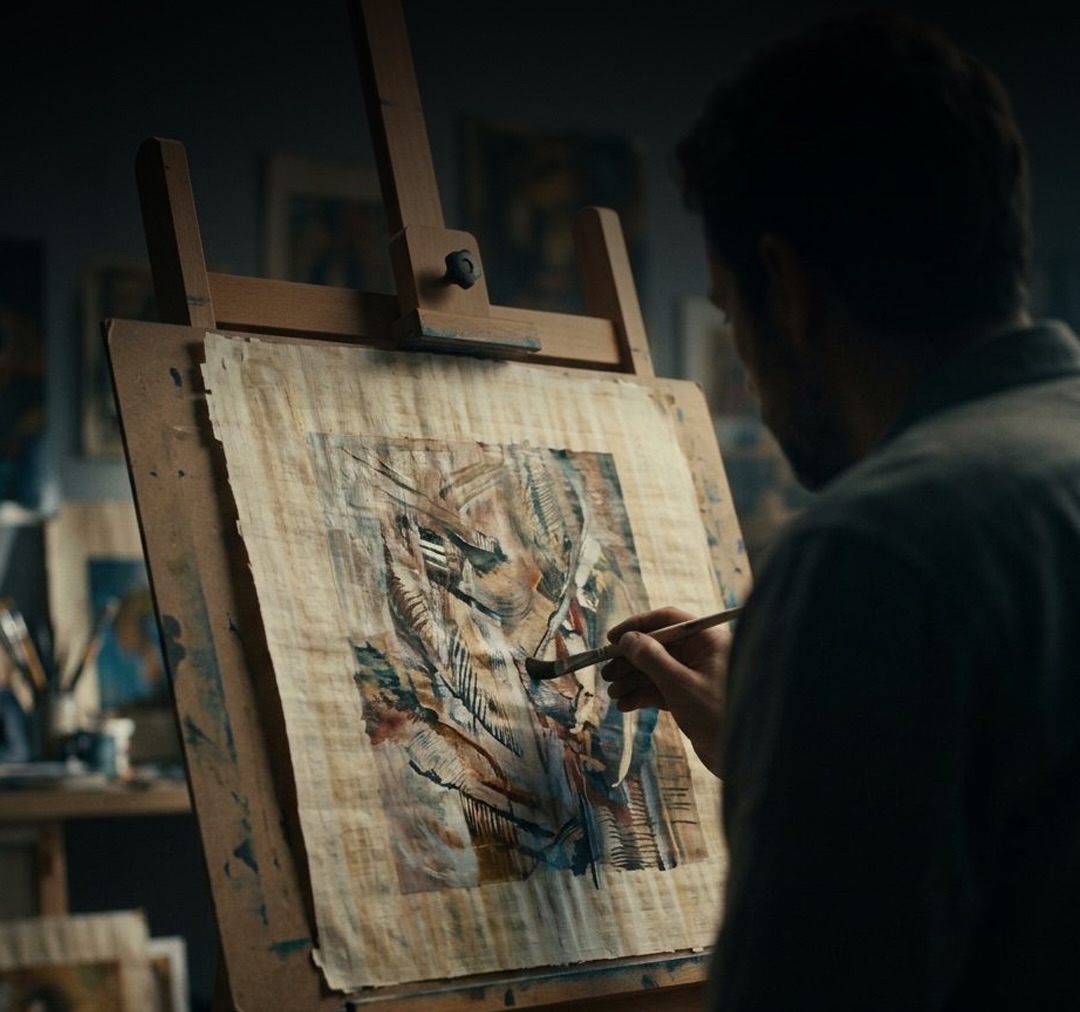
The open call welcomes different product ideas, as long as papyrus remains the main element. Suggested submissions include furniture pieces, lighting designs, décor products, sustainable design concepts, and functional products that use papyrus creatively. This range gives designers freedom to experiment. A participant may think of a lamp made with papyrus texture, a decorative object inspired by ancient Egyptian forms, a chair that uses papyrus with wood, or a modern home accessory that turns the material into something useful for today’s interiors.
The Main Condition
Papyrus must be the primary material in the submitted design. Other materials, such as wood or sustainable supporting materials, can be used, but they should not take over the work. The competition makes it clear that papyrus must remain the central element. This condition is important because it keeps the idea focused. The challenge is not simply to add a papyrus detail to an ordinary product. Designers need to build their concept around the material itself: its texture, cultural meaning, flexibility, limitations, and visual identity.
What the Jury Will Look For
The judging criteria focus on four main points: strength of concept, originality and innovation, sustainability, and the creative use of papyrus. The visual quality of the product and the way it is presented will also be part of the evaluation.
A strong submission, then, needs more than a beautiful object. It should have a clear idea, a thoughtful relationship with papyrus, and a reason for existing as a contemporary design piece. A product that simply looks nice may not be enough if it does not show creativity, sustainability, and a meaningful use of the material.
What Participants Need to Prepare
Designers are asked to submit a prototype or initial product, along with details of the artistic work and the materials used. They should also include photos and digital files of the work. A documentation video is optional, but it could help explain the design process, the scale of the product, and the way papyrus is used.
Participants also need to submit an artist statement, including a short introduction about the artist and the work. This is a useful part of the application because it gives the jury context. It allows designers to how they approached sustainability, and what idea they want the product to communicate.
Awards and Opportunities
The competition offers financial prizes, along with the opportunity to display selected works in an exhibition. There will also be a Sustainability Award, an Audience Choice Award, honourable mentions, appreciation certificates, and a digital exhibition for selected works.
These opportunities matter especially for emerging designers. A competition like this can give their work visibility beyond social media, while also connecting them to a theme with cultural and environmental value. The exhibition element also means the products are not judged only as files; they may have the chance to be seen as physical design pieces.
Why This Competition Matters
At its best, design can help old materials find new uses. Papyrus already carries a long cultural memory, but this competition asks a fresh question: what happens when a historic Egyptian material becomes part of today’s sustainable product design?
That question makes the open call more interesting than a regular design contest. It connects heritage, craft, environmental thinking, and contemporary aesthetics. It also encourages designers to look at Egyptian materials not as symbols from the past, but as resources that can still shape the future of art and design.
How to Apply?
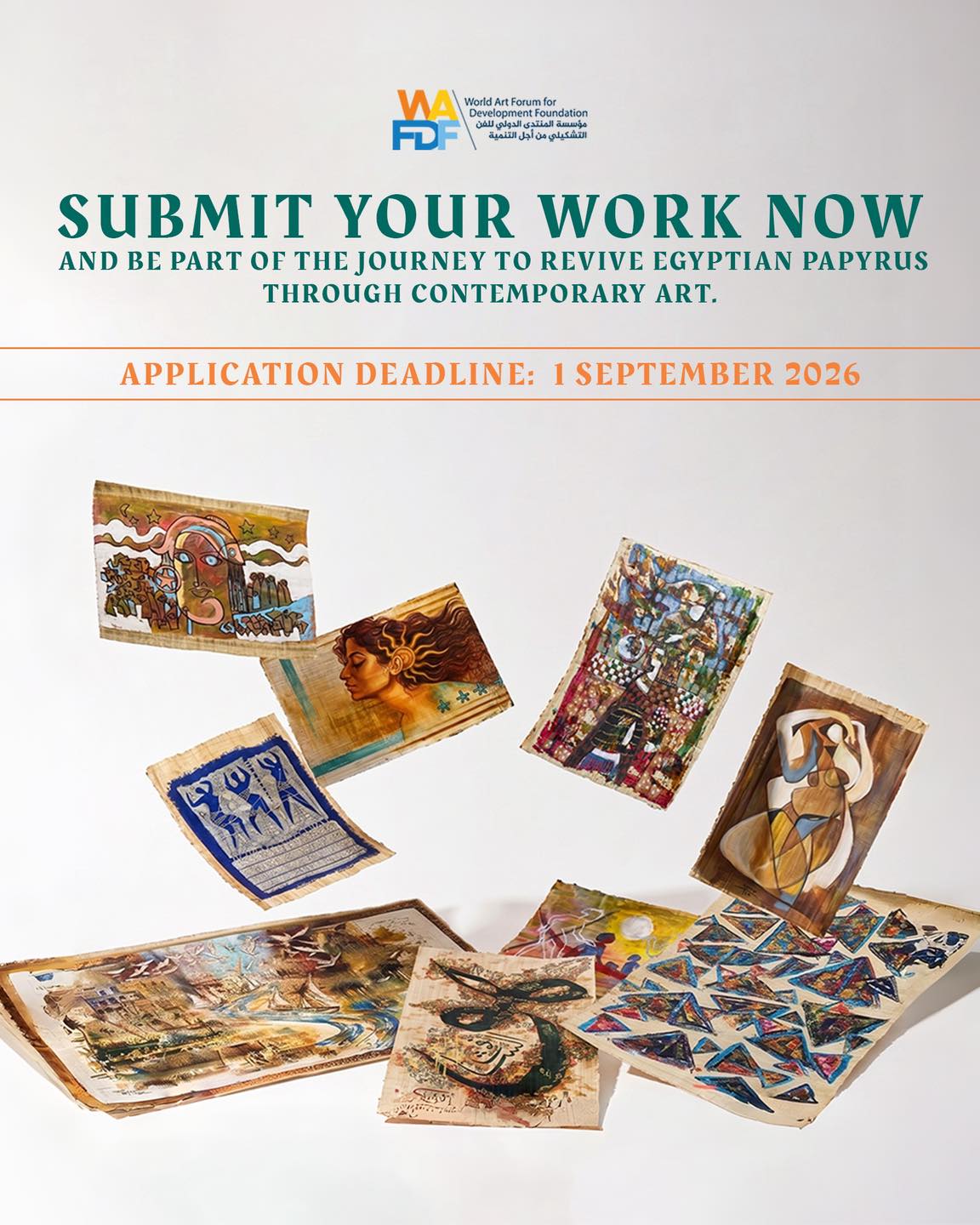
Applications are open until 1 September. Designers can submit their artistic work and share their entries by email at Wafdf.org@gmail.com. The organisers also mention that participants can contact them to obtain high-quality papyrus materials from the original homeland of papyrus in Egypt.
For designers with a bold idea, this competition is a chance to turn a historic material into a modern object. The strongest entries will likely be the ones that do not only use papyrus, but understand it: as a material, a symbol, and a bridge between Egyptian heritage and contemporary design.
recommended
 City Life
Media Republic Expands into Saudi Arabia with Arsan Global Partnership
Advertising Agencies Arsan Global +7 City Life