

Beyond the Obvious: Discovering Egypt’s Hidden Museums and Historic Gems
cairo Culture egypt Exploration heritage hidden gems history museums Tourism travel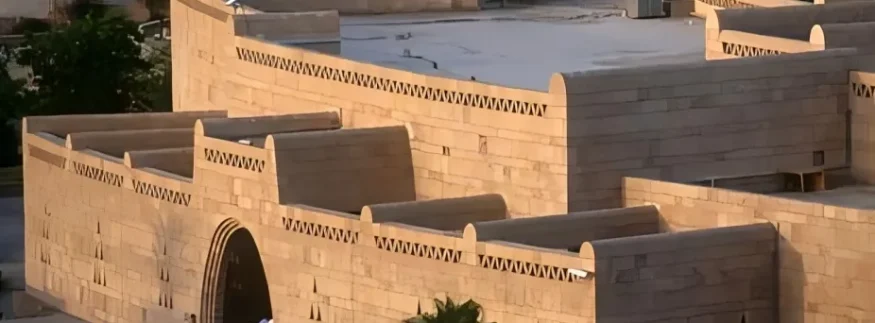
Nouran Awny
Image via website
With Egypt’s weather gradually stabilising after its recent erratic swings, now is a perfect time to explore the country’s lesser-known cultural treasures. Beyond the iconic landmarks, a wealth of hidden museums and historic sites awaits, offering rich insights into Egypt’s heritage without the crowds. From thematic museums to fascinating archaeological spots, these hidden gems are ideal for curious explorers seeking a different perspective on Egyptian history.
Gayer-Anderson Museum
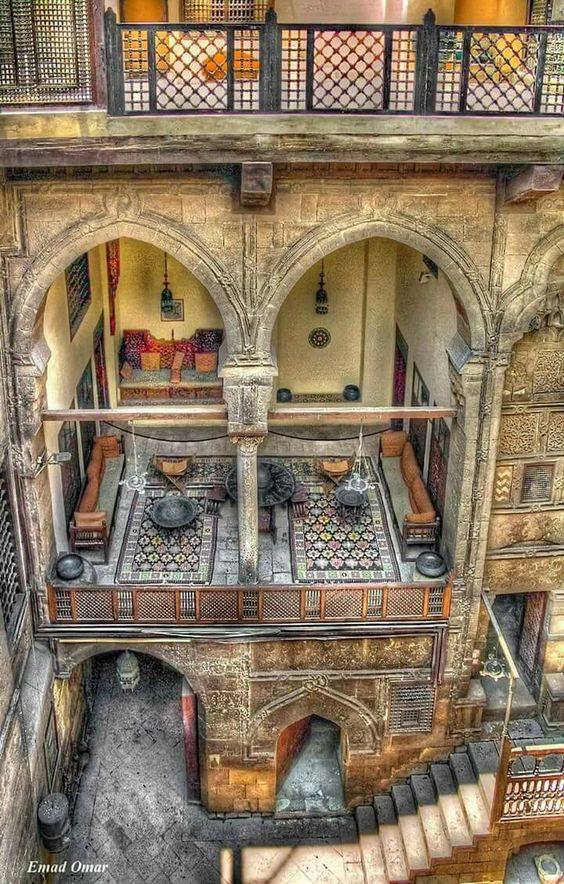
Image via website
Tucked beside the historic Mosque of Ibn Tulun, the Gayer-Anderson Museum is a beautifully preserved 17th-century house. Walking through its rooms feels like stepping into another era, with intricately designed mashrabiyas, antique furnishings, and hidden staircases. The museum offers a rare glimpse into domestic life in historic Cairo, blending art, architecture, and storytelling in one intimate setting.
Air Force Museum
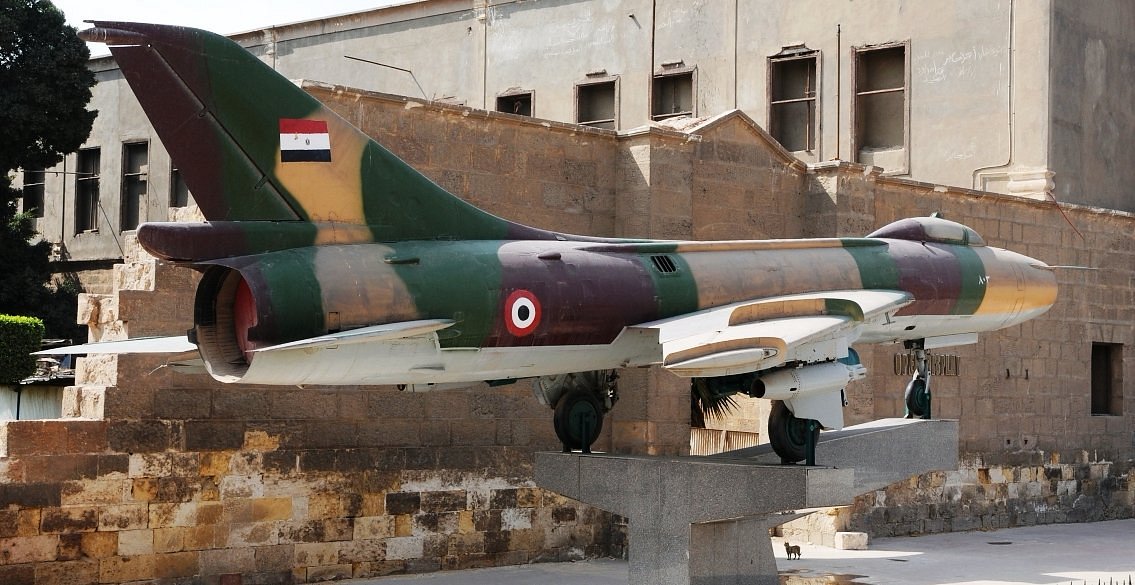
Image via website
For something entirely different, the Air Force Museum showcases Egypt’s military aviation history. Located in Almaza, it features aircraft displays, war exhibits, and interactive sections highlighting key moments such as the October War. Despite its impressive collection, it remains relatively under-visited, making it a great stop for those interested in modern history.
Museum of Tal Basta Antiquities
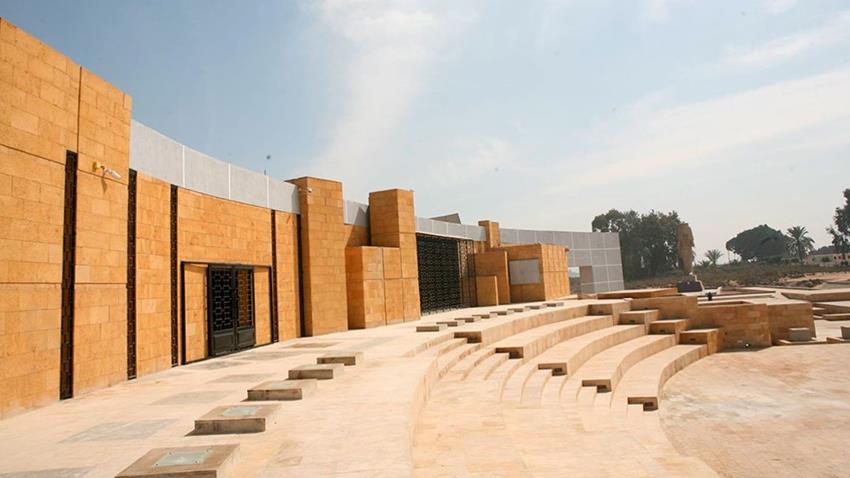
Image via website
In the Nile Delta lies the Museum of Tal Basta Antiquities, a small but meaningful museum dedicated to the ancient city of Bubastis. Known for its association with the goddess Bastet, the site includes statues, relics, and an open-air display. It’s an ideal destination for travellers who want to explore ancient Egyptian heritage beyond the typical tourist trail.
Nubian Museum
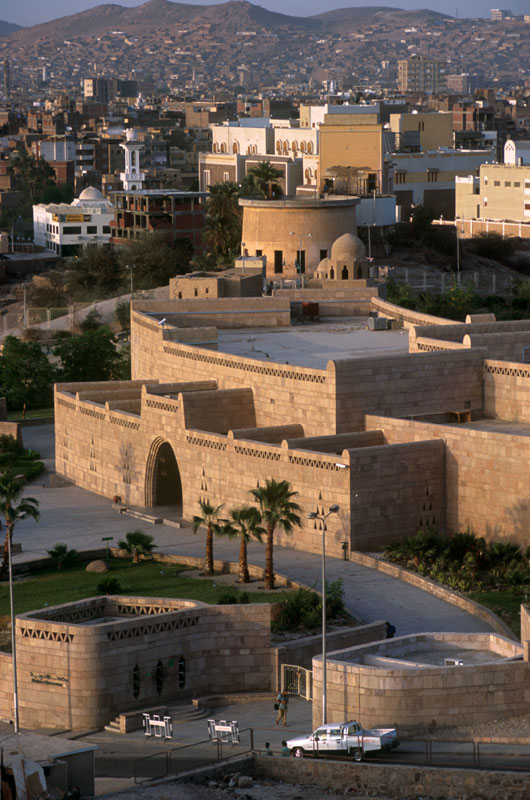
Image via website
Located in Aswan, the Nubian Museum is a cultural treasure that celebrates Nubian history and identity. The museum houses thousands of artefacts rescued during the construction of the High Dam, alongside immersive exhibits that tell the story of Nubian life, traditions, and resilience. It’s both educational and deeply moving.
Umm Kulthum Museum
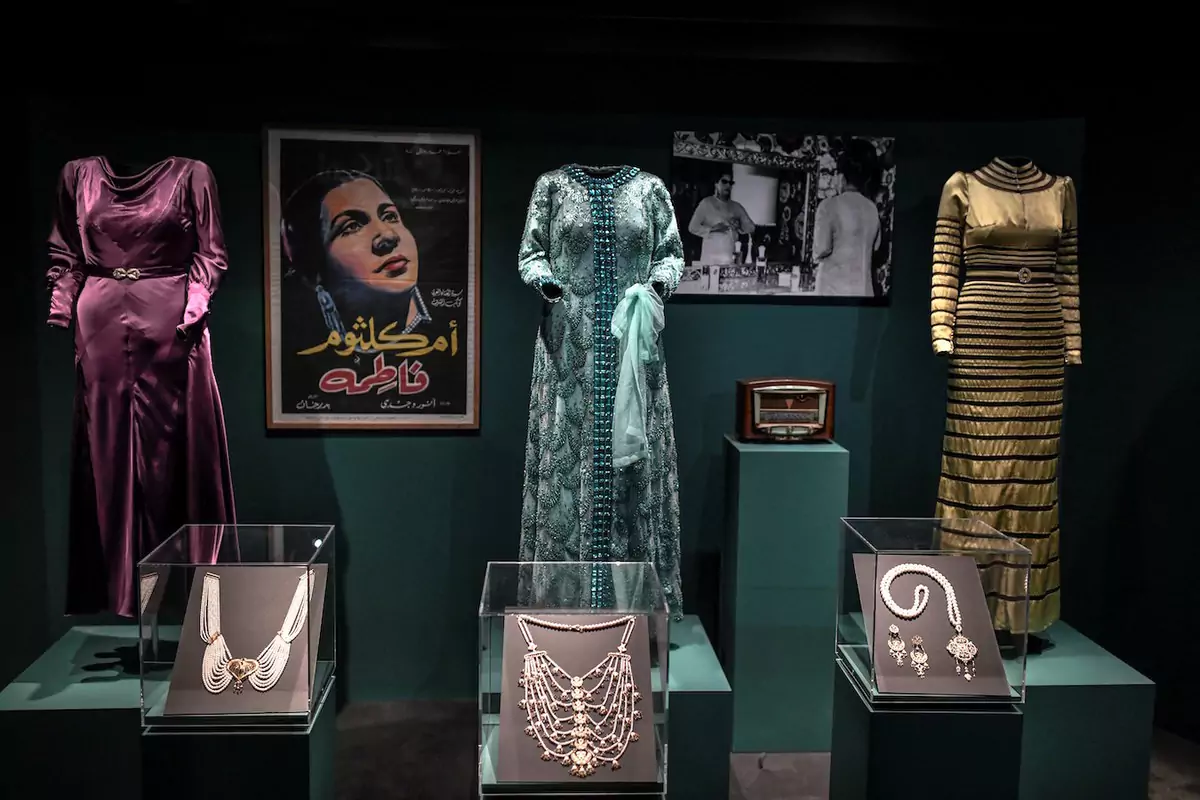
Image via website
Fans of Egyptian music should not miss the Umm Kulthum Museum, dedicated to one of the Arab world’s most iconic singers. The museum displays personal belongings, handwritten notes, and rare recordings, offering visitors a closer look at her legacy and cultural impact.
Agricultural Museum
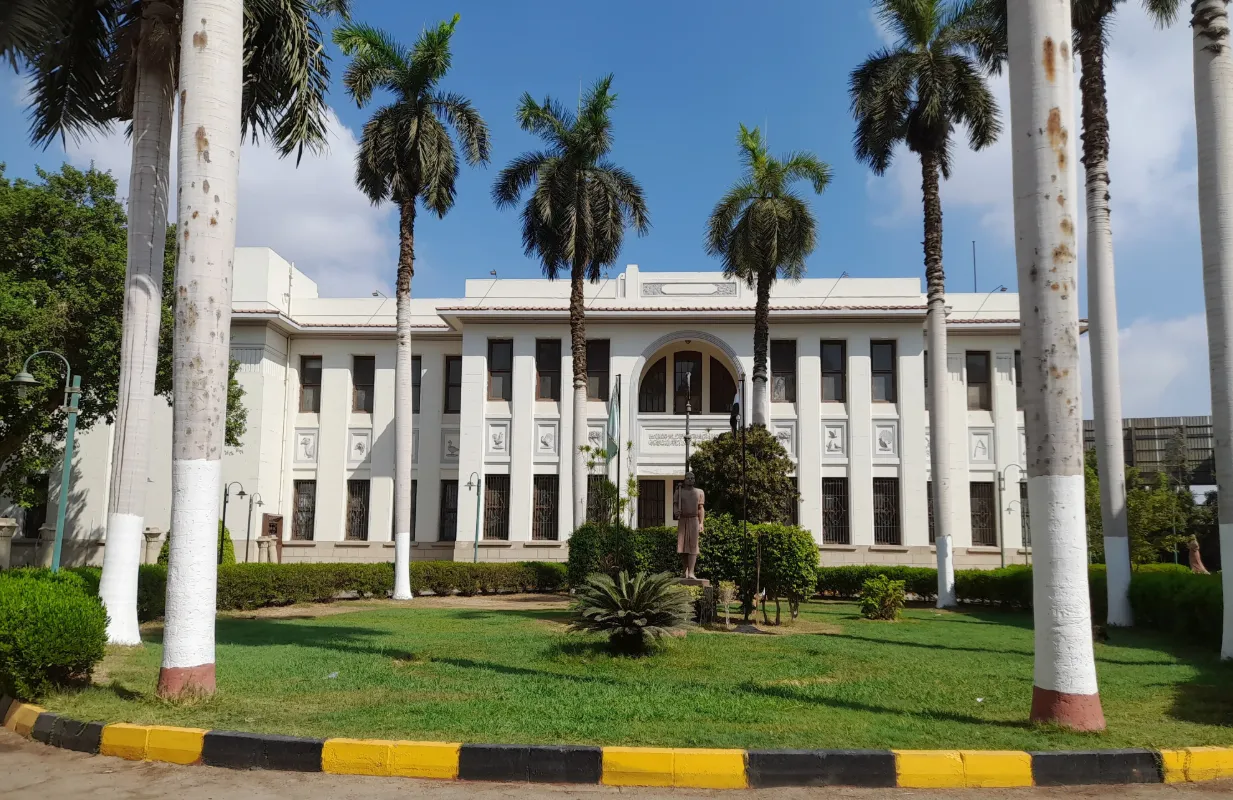
Image via website
Cairo is home to several lesser-known museums that highlight specific aspects of Egyptian history. The Agricultural Museum offers insight into Egypt’s farming heritage, displaying tools, crops, and agricultural practices across centuries.
Banque Misr Museum
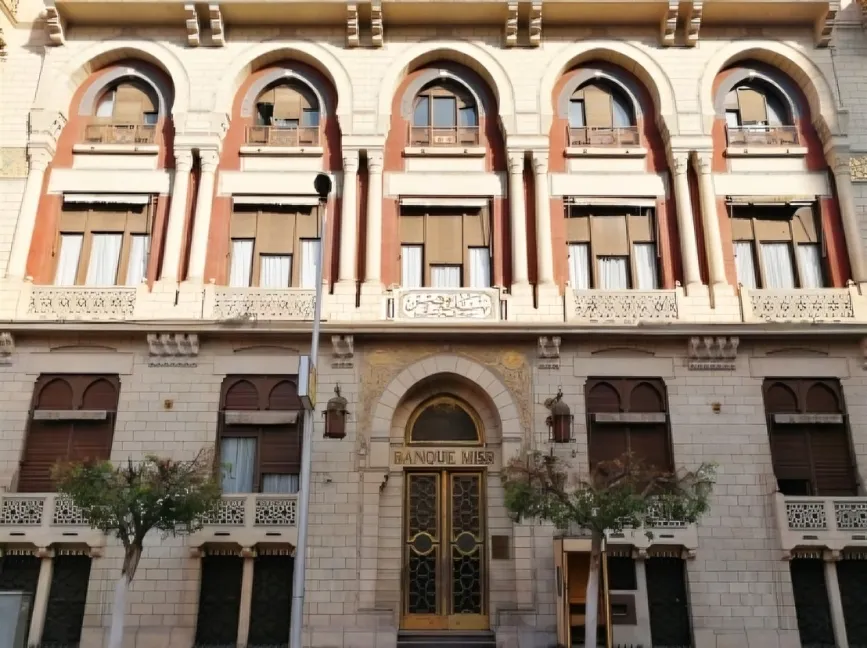
Image via website
In Abdeen, the Banque Misr Museum tells the story of Egypt’s economic development and the founding of one of its most important financial institutions. Housed within the historic headquarters of Egypt’s first national bank, founded in 1920 by Talaat Harb, the museum showcases memorabilia, photographs, publications, and rare artefacts that trace the bank’s role in shaping Egypt’s industrial and financial landscape. Visitors can see personal possessions of the founder, early office furniture, medals, and documents highlighting the bank’s influence on Egypt’s national identity and economic independence.
Egyptian Geological Museum
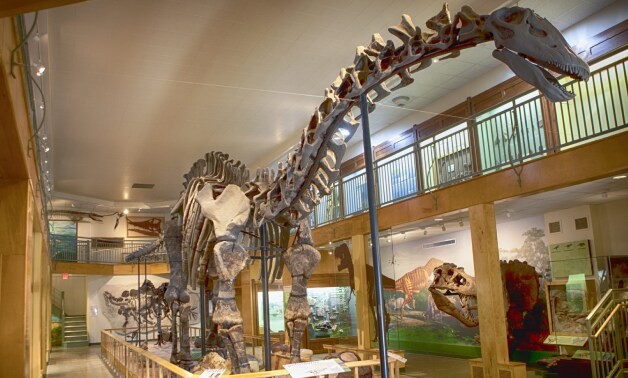
Image via website
In Old Cairo, the Egyptian Geological Museum presents fascinating collections of fossils, minerals, and ancient geological specimens, making it a unique stop for science enthusiasts. Established in 1901 as part of the Egyptian Geological Survey, the museum features reconstructed fossil skeletons, including ancient elephant ancestors, as well as detailed displays on petrology and palaeontology. Its extensive collections offer visitors insight into Egypt’s deep natural history and prehistoric environment, making it a must‑visit for anyone interested in the Earth’s formation and evolution.
Postal Museum
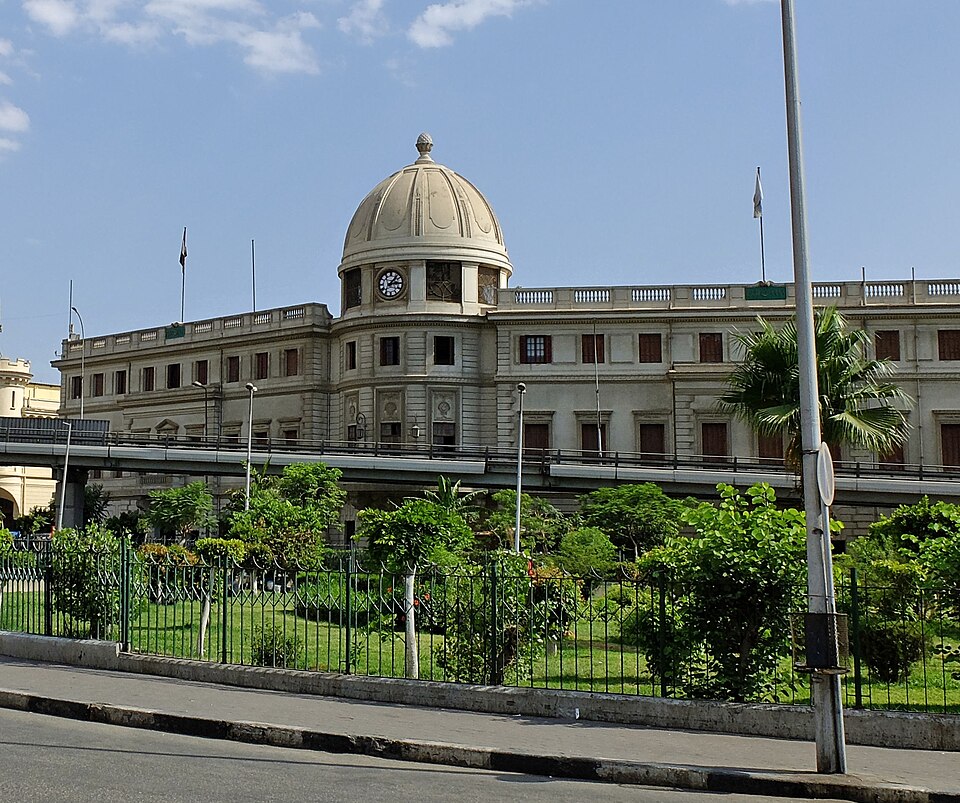
Image via website
Located in Ataba, the Postal Museum showcases the evolution of communication in Egypt, featuring stamps, letters, and historic postal equipment. Housed in the historic Central Post Office building, the museum was officially opened to the public in 1934. Its exhibits include colonial-era stamps, vintage postal uniforms, early post office machines, and narratives highlighting how the postal system connected communities across the country. Recent renovations have revitalised the displays, providing visitors with a richer understanding of Egypt’s communication history.
National Military Museum
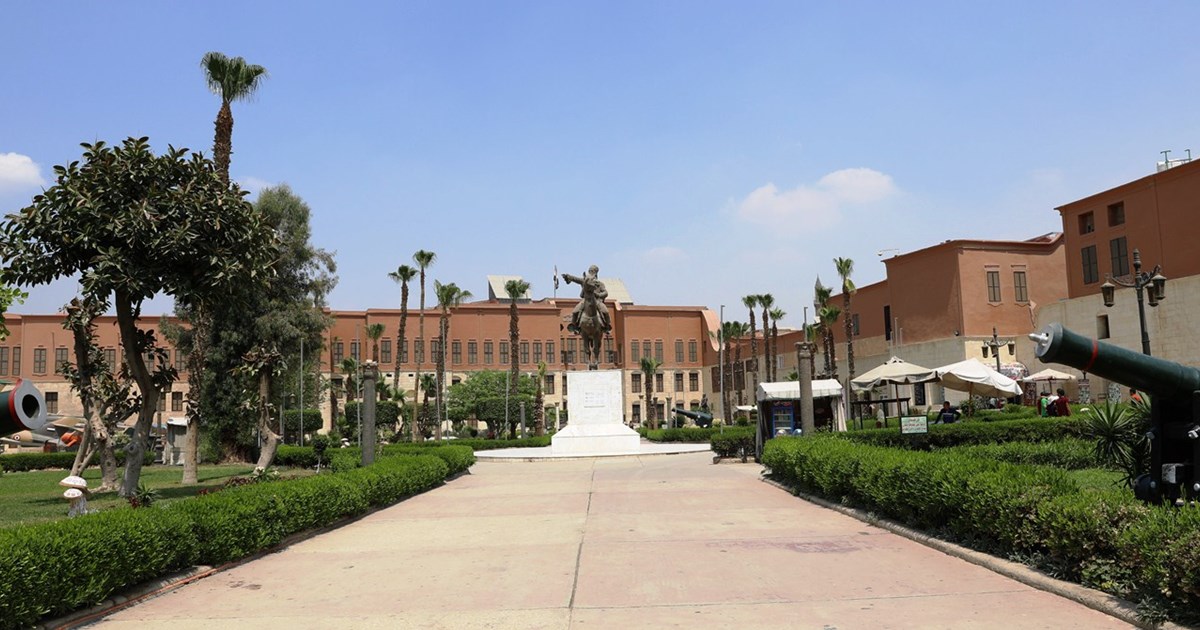
Image via website
For those interested in military history, the National Military Museum provides a comprehensive look at Egypt’s armed forces, with exhibits spanning different eras and conflicts. Situated within Cairo’s historic Citadel, the museum, established in 1938, displays weapons, armour, uniforms, and artefacts from key military campaigns. It covers multiple eras of conflict and showcases the evolution of Egypt’s military strategy, with the Citadel’s historic architecture providing a dramatic backdrop that deepens the sense of heritage and national pride.
Nilometer
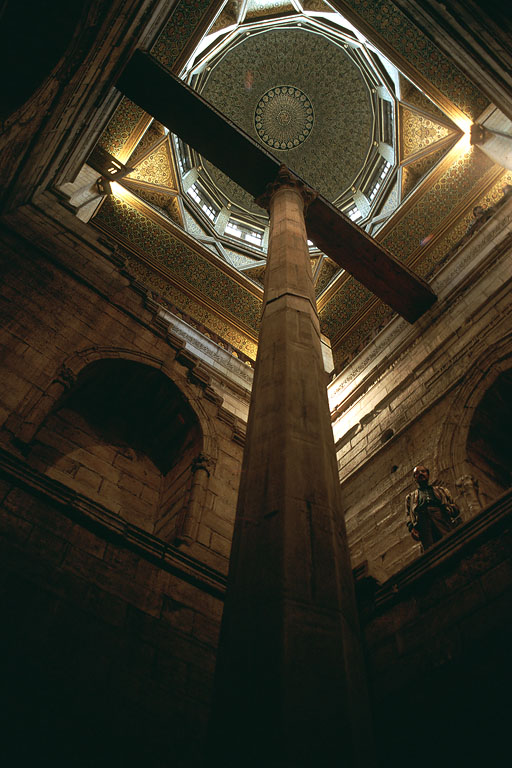
Image via website
One of Cairo’s most intriguing historical structures is the Nilometer. Dating back to the early Islamic period, it was used to measure the Nile’s water levels and predict agricultural conditions. Its simple yet ingenious design highlights the deep connection between the river and Egypt’s survival throughout history.
Exploring these lesser-known museums and historic sites offers a richer, more nuanced view of Egypt. With the weather slowly stabilising after its recent erratic changes, now is an ideal time to plan visits and enjoy these cultural treasures in comfort.
recommended
 City Life
Media Republic Expands into Saudi Arabia with Arsan Global Partnership
Advertising Agencies Arsan Global +7 City Life




#/media/File:Attaba_Square_Post_Office_Museum_DSCF4330.jpg)

