Windsor Hotel’s Revival: A New Chapter for a Downtown Cairo Icon
Adaptive Reuse Alfi Bey Street Barrel Bar Brassbell Hospitality Group Cairo heritage cairo history Doss Family Downtown Cairo Egyptian architecture Heritage Conservation Historic Hotels Khedivial Cairo May Al-Ibrashy Megawra Windsor Hotel Windsor Hotel Cairo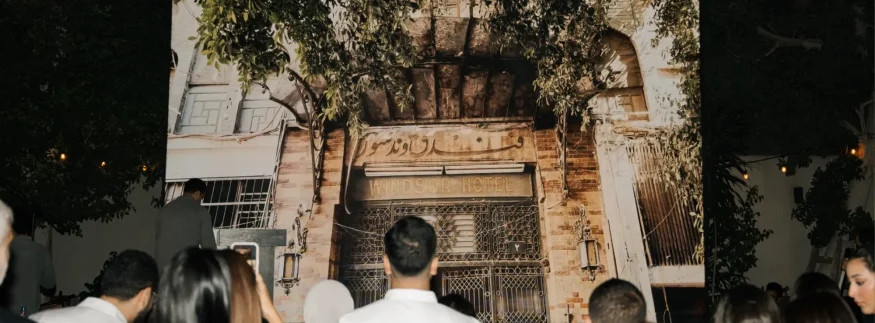
Safy Allam
An old clock, the unmistakable barrel chairs, archival photographs, and pieces that once filled the rooms of Windsor Hotel appeared at The Windsor: A New Chapter event on September 15. For one evening, fragments of the hotel that had been behind closed doors for years were back in sight.
The event was not a reopening. Instead, Brassbell Hospitality Group and the Doss family took guests through the Windsor’s past, present, and future, retracing more than a century of stories before revealing a vision to bring one of Downtown Cairo’s best-known old hotels back to life.
More Than a Century on Alfi Bey Street
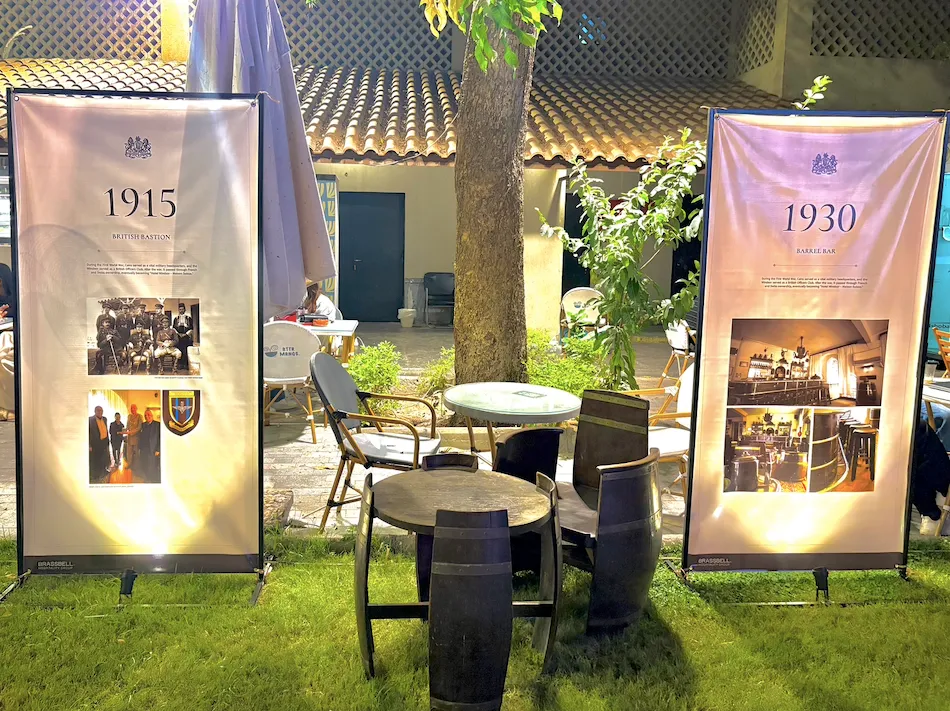
The Windsor has lived many lives since its story began in 1893. The building started as part of a Khedivial baths complex, later served as a British officers’ club during the First World War, became connected to the legendary Shepheard’s Hotel, and eventually emerged as the independent Windsor Hotel.
The Doss family took over in the early 1960s, beginning another chapter that would last for decades. Through it all, Windsor held onto much of what made it distinctive, from its Neo-Mamluk character and old-world interiors to its manually operated Schindler lift by a designated lift attendant and the Barrel Bar that became one of its most recognisable spaces. Then, in 2019, its doors closed following structural damage linked to nearby Cairo Metro Line 3 construction. The Windsor went quiet, but much of what people remembered remained inside.
Walking Through Windsor’s Timeline
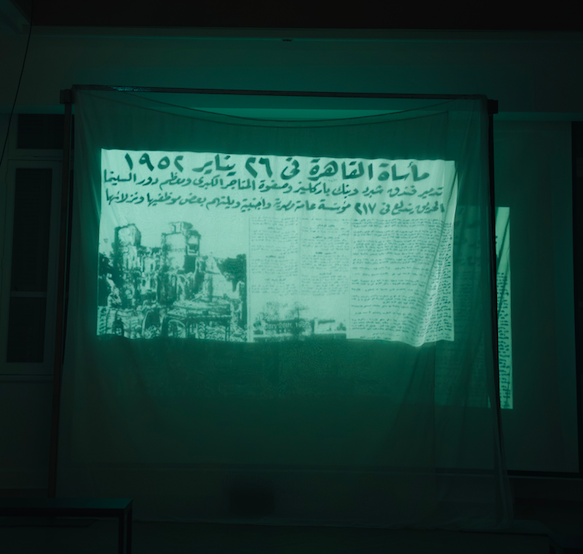
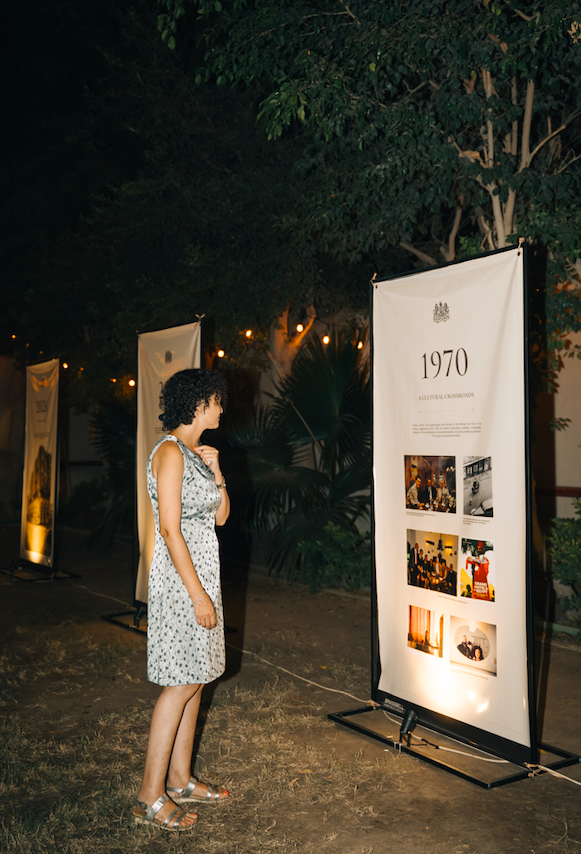
That sense of moving through time shaped the entire evening. Guests first entered an intimate auditorium where archival imagery and a documentary featuring Wanil Doss traced the Windsor through the years, blending the hotel’s wider history with the Doss family’s personal memories. From there, the journey moved outdoors, where the conversation shifted from remembrance towards what the hotel could become.
Even the visual elements followed that timeline. Banners and newly created artwork interpreted different chapters of the Windsor’s story, blending historical references with a more contemporary visual language rather than separating the old Windsor from the one now being imagined. It made the evening feel less like a conventional project launch and more like walking through the Windsor’s memory before being introduced to its future.
The Details That Cannot Be Lost
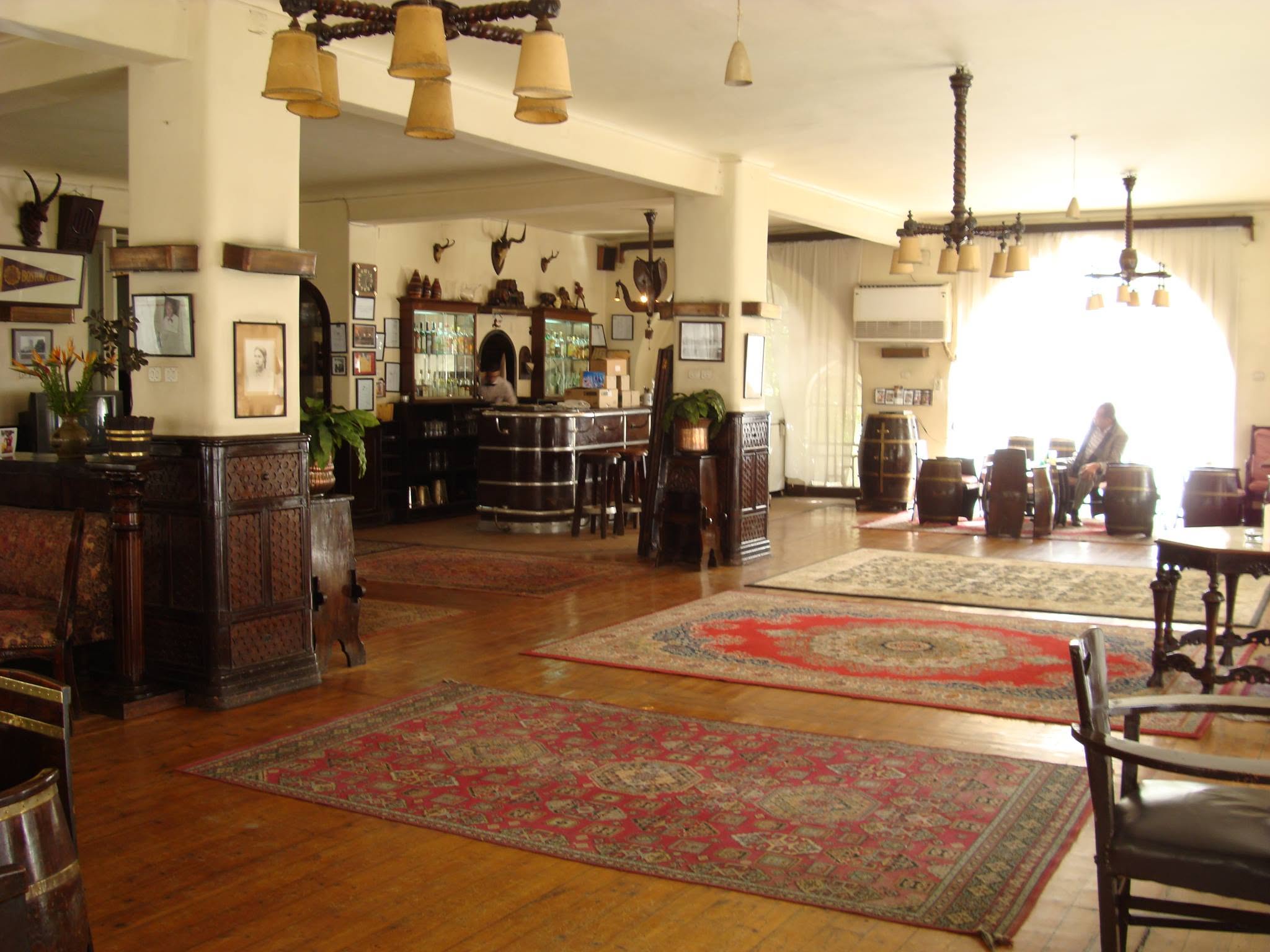
For Wanil Doss, one of those memories inevitably leads back to the Barrel Bar. With its distinctive barrel-shaped chairs, dark wood, warm lighting, and lived-in rustic identity, the bar became a Downtown meeting point for Egyptians, travellers, younger crowds, and longtime regulars. The Windsor also attracted figures from the worlds of film and culture, while the hotel appeared on screen, including in Michael Palin’s Around the World in 80 Days.
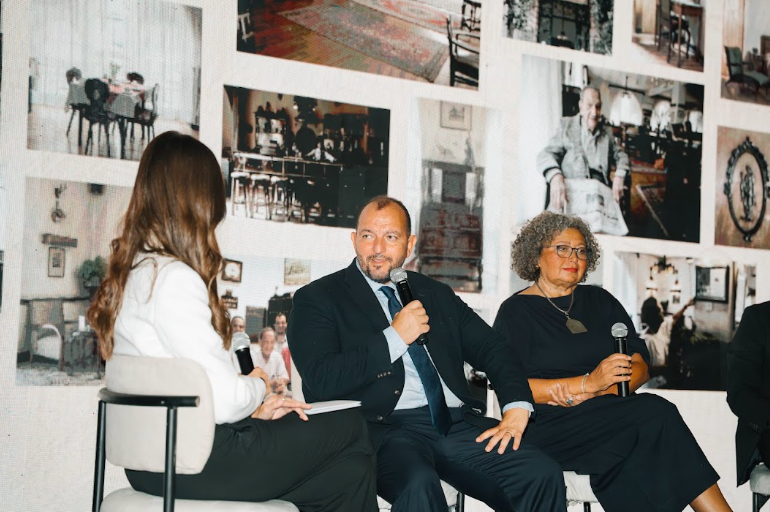
During the evening, Doss spoke about how iconic and well-known the Barrel Bar had become, expressing his hope that the essence people remember would remain as the Windsor enters its next chapter. That made the original barrel chairs on display particularly meaningful. Presented alongside the Windsor’s old clock and other original pieces, they were not simply props or decoration. They were pieces of the hotel’s tangible history, brought out for guests to see and touch, and a glimpse of what the team hopes to carry forward. His words reflected a wider idea behind the project: bringing the Windsor back without losing its identity. Restoring a historic hotel is one thing; restoring it without polishing away the personality that made people love it is another.
The project is being approached as a preservation-led redevelopment, with Brassbell Hospitality Group set to operate the Windsor, and heritage specialists Megawra involved in considering how the building can move forward while respecting what is already there. Brassbell describes its intention as adaptive reuse, with the hotel’s character, culture, history, identity, and artefacts forming part of its future rather than simply serving as inspiration for it.
Looking Up to The Windsor’s Roof
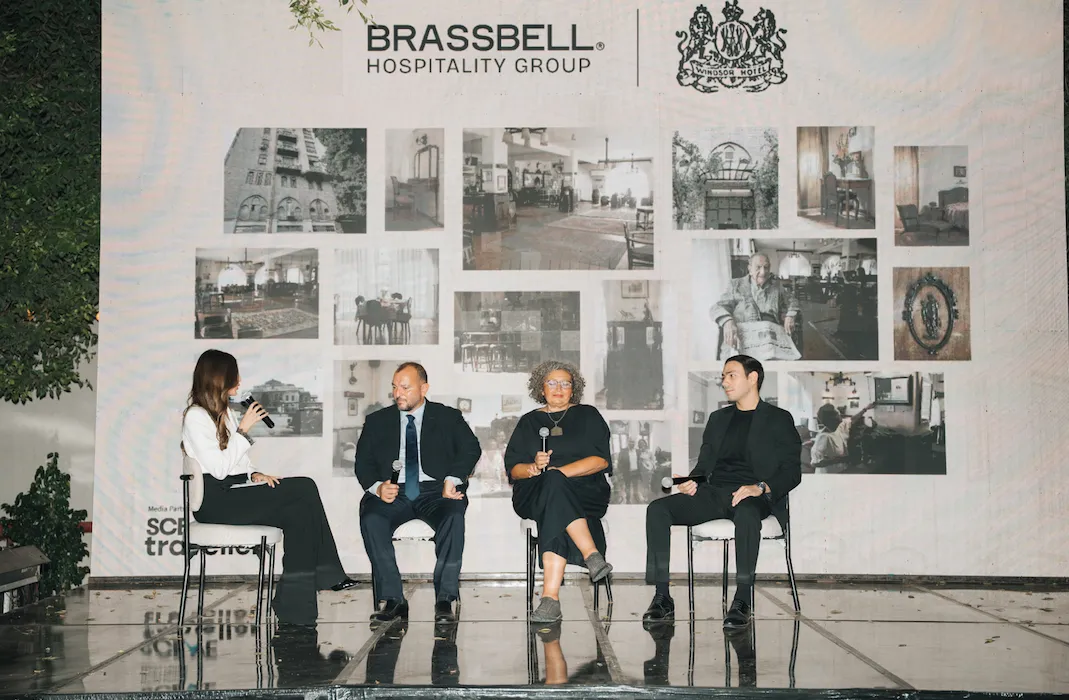
Architect and heritage conservation specialist May Al-Ibrashy of Megawra widened that conversation beyond individual objects. Speaking about the building’s future, Al-Ibrashy highlighted the importance of preserving the Windsor’s exterior while also considering how people will experience the hotel once it returns. That includes something easy to overlook when standing at street level: the roof.
With views stretching across Downtown Cairo, the rooftop offers another way for the hotel to reconnect with the neighbourhood. Al-Ibrashy also touched on walkability, accessibility, restaurants, and the Windsor’s location in the middle of Downtown, raising the possibility of a hotel that does not simply exist inside a historic building, but participates in the city around it. After all, the Windsor’s location has always been part of its identity. Alfi Bey Street places it among the landmarks, streets, cafés, theatres, and layers of architecture that shaped Khedivial Cairo.
Bringing the Past Into Something New 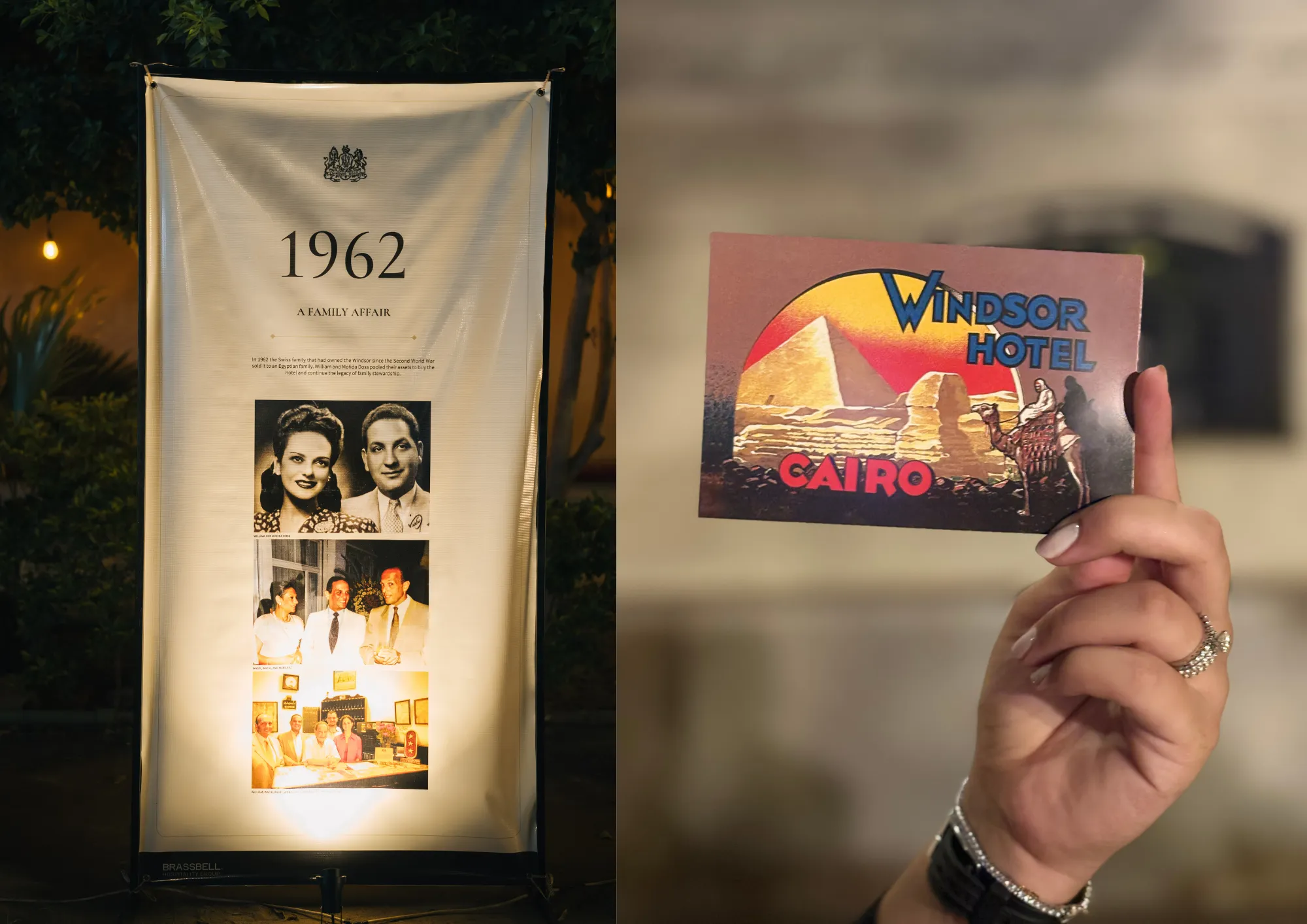
Preserving history does not necessarily mean recreating it exactly as it was. That idea could also be seen in the artwork created for the Windsor’s new chapter. New pieces by artist Nourhan El Waylly were presented alongside the hotel’s archival imagery and original objects, bringing a contemporary interpretation into conversation with the Windsor’s visual heritage. Rather than making the old and new compete, the combination offered an early glimpse of what the wider redevelopment is trying to achieve: allowing the Windsor to evolve while keeping its history visible.
Experiencing Windsor Like the Generations Before
For Brassbell, the goal appears to go beyond restoring a building. Adham Elbedewy, Vice President of Expansion & Strategic Growth at Brassbell Hospitality Group, spoke about maintaining the Windsor’s legacy so that years from now, people passing through the hotel can still experience something of what their parents, grandparents, and earlier generations experienced. It is a fitting idea for a project where so much of the past still physically exists. The furniture, photographs, and other pieces are not simply references for what the Windsor could look like again. They are parts of the Windsor itself. As the evening moved from those memories and familiar objects towards conversations about rooftops, restaurants, architecture, and a renewed hotel, its timeline finally reached the present.
The Future of Windsor
For now, the Windsor remains closed. Brassbell and the Doss family are at the beginning of the redevelopment rather than the end, and A New Chapter was never intended to suggest otherwise. But after years of silence, Windsor’s story is moving again. The next chapter will bring new experiences and, inevitably, an evolving identity. The bigger promise, however, is that when people eventually walk through its doors again, the Windsor they find will still carry enough of the old one – those barrel chairs, that clock, and the stories surrounding them to feel like they never really left.
recommended
 City Life
Media Republic Expands into Saudi Arabia with Arsan Global Partnership
Advertising Agencies Arsan Global +7 City Life